Search Results
183 results for “Male trait”

How to Prevent and Treat Dog Mammary Tumors
Dog mammary tumors are usually removed by surgery, the best fix, but anesthesia carries risk so use a proper clinic. They strike unspayed females around 8-10, especially with false pregnancy or an all-meat diet. Benign are small, regular, clear-edged; malignant grow fast and blur. The key prevention is spaying before the first heat, which also lowers reproductive disease and can extend life.

Brazilian Turtle (Red-Eared Slider): Form and Habits
The Brazilian turtle (red-eared slider) is a freshwater turtle kept for food, health and looks. It is colorful with red and green head stripes and a red patch behind the eye, lively and fast for a turtle. It eats mostly animal food, prefers quiet clean water, is sexually dimorphic (males have longer thicker tails and a concave plastron), and is oviparous, mating May–August and laying 3–4 clutches a year.

Rabbit Breeding Characteristics
Rabbits are extremely fertile but have no regular estrous cycle — they are induced ovulators that release eggs only after mating or drug stimulation, 10–12 hours later. They have two separate uteri (allowing double pregnancies), mate most successfully around dawn and dusk, and suffer summer infertility, especially males. Pseudopregnancy is common and prevented by re-mating.
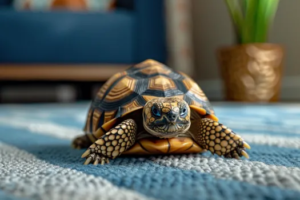
Caring for a Brazilian Turtle (Red-Eared Slider)
The Brazilian turtle (red-eared slider) is hardy but needs the right setup to stay healthy and live long. Choose a turtle at least six months old, house it in a covered tank with water at about 25°C, always feed it in the water, and manage a proper hibernation and breeding routine.

What Affects a Rabbit’s Lifespan?
A rabbit's life is shaped by its own traits, diet, and environment. Feed hay-based balanced food (not just vegetables or sweets), keep the cage clean, dry, and quiet between 15–25°C, house it indoors, avoid over-bathing and neglect, and don't breed females repeatedly — all of which shorten life.
Not sure if it is pregnant.
Pregnant hamsters show these traits: nesting, fighting, hoarding food, drinking more, a pear-shaped body and a 'double-button' belly. Details: first, a female kept with a male may suddenly attack the male, suggesting pregnancy.
How does a Golden Shaded (golden gradient) cat develop cheek jowls?
Golden Shaded cats cheek up fairly easily; feed more with chicken breast, goat milk, milk cake, nutrition paste, beef, freeze-dried and egg for protein. Give chewy foods to exercise jaw muscles. Because cheek fill is a male secondary trait, don't neuter too early; most start at 8 months.
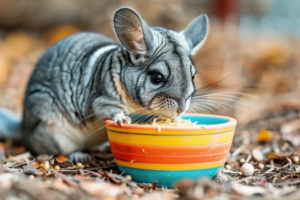
Hamster Breeding Characteristics
Hamsters breed early, have short reproductive cycles, large litters, and strong parenting instincts — in short, they are highly prolific. Because they breed readily and have no sense of inbreeding, leaving males and females together once they are old enough leads to inbreeding and overbreeding that harms their health. Owners should understand these traits and manage them with separate cages.
At what months does a cat develop cheek jowls (fluffy cheeks)?
Cats develop jowls at 6-8 months, a male secondary trait driven by hormones; early-neutered cats won't. Not all breeds do - British Shorthair, Exotic and Chinchilla do; Siamese don't.
What are the differences between a purebred and non-purebred Husky?
Purebred Huskies meet standard size and weight ranges, have almond-shaped slanted eyes in ice-blue or brown, and a compact, well-proportioned build with large paws. Deviations in these traits suggest mixed blood.