Search Results
183 results for “Male trait”
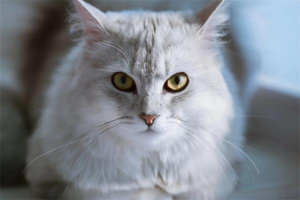
How to Help Your Cat Develop Fuller Cheeks
A cat's "chipmunk cheeks" (stud jowls) are a male secondary trait driven by testosterone, with the key window at 5–8 months and set by about 12 months. Support it with high-protein food (35%+), meat, regular deworming, neutering at 8–10 months, and jaw exercise — but many cats (females, Siamese, Sphynx) simply won't develop them.
The Munchkin Cat: A Care Guide for the Short-Legged Breed
Munchkins are gentle, clingy, and adaptable, making them easy keepers — but their limited jumping means the litter box and bed must stay low. Short legs mean less daily activity, so unchecked feeding easily leads to obesity that strains the joints and raises arthritis and spinal risk; watch the diet. And because the 'chassis' sits low, the belly (and in long-haired ones the coat) picks up dirt, and the rear can smear — so help with cleaning.

What’s the Difference Between Calico and Tortoiseshell Cats?
Calico and tortoiseshell cats may look alike at a glance, but they differ in how their black, orange, and white fur is distributed, their fertility, and their temperament. Calicoes show large, clearly separated color patches and are almost always female, while tortoiseshells have blended, mottled coats and fertile males do occur.
Thinking of Getting a Blue British Shorthair? Here’s What You Should Know
Before getting a blue British Shorthair, weigh three things: heavy shedding (a short coat that still ranks near the top for hair loss, so brush often), a slow metabolism that makes obesity easy (diabetes, joint wear, heart strain), and inherited diseases — polycystic kidney disease, progressive retinal atrophy, hypertrophic cardiomyopathy — that genetic screening can catch before you bring one home.
Meet the Siamese Cat: A 3-Minute Guide
The Siamese is an ancient palace cat from 14th-century Thailand (then Siam), weighing 8–14 lb for males and 6–10 lb for females, with pointed colors like seal, blue, lilac, chocolate, red, and cream. Its signature trait is temperature-sensitive fur: tyrosinase works faster when cold, so winter deepens the coat and age darkens it. Siamese are dog-like — clingy, energetic, curious, and talkative — and adapt well, making them a good choice for first-time owners.
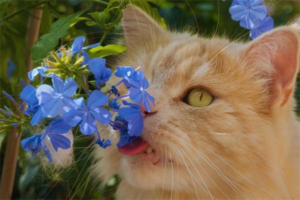
When Is the Best Time for a Cat to Develop Fuller Cheeks
Whether a cat develops those rounded, full cheeks (often called "face fluff") depends mostly on sex, genetics, and breed. Female cats rarely fill out this way; it is usually intact male cats that do. Breeds such as the British Shorthair, American Shorthair, Exotic Shorthair, Persian, Chinchilla, and orange tabby are naturally prone to it, while hairless cats, Devon Rex, Russian Blue, Siamese, Oriental, and calico domestic cats tend to stay slender-faced. Most male cats begin filling out between six and eight months of age, and a son of a full-cheeked father is more likely to follow suit. Good nutrition during this window makes the difference.
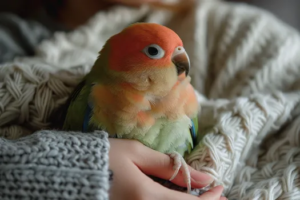
How to Tell a Lovebird’s Sex
Sexing lovebirds is tricky, especially when young, because the birds look alike, but several clues help. Males tend to have a pointed, smaller head, slimmer tight-feathered body, brighter color, bolder behavior, loud call, upright perch stance, and a V-shaped tail, while females are rounder, duller, calmer, softer-voiced, and W-tailed. The clearest sign is the vent: a male has a raised point between the pelvic bones, a female a flat gap. DNA testing is the surest method.
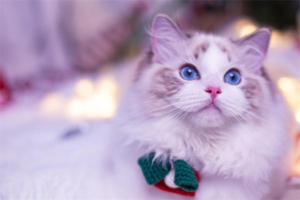
When Do Ragdoll Cats Develop Cheek Jowls?
Ragdoll cats usually start developing cheek jowls at 6–8 months, though genetics set the exact timing and some begin earlier or later. Only males develop true jowls; it depends on inherited genes from the parents. Diet, exercise, and neutering also shape the result. To support healthy jowl development, feed plenty of protein, vitamins, and minerals, offer chewy or raw-meaty-bone snacks to build jaw muscles, keep the cat active, and time neutering until after the face fills out. Remember, not every Ragdoll will jowl—genes decide. If you have concerns, consult a veterinarian.
That Cat ‘Beer Belly’ Is Actually Normal
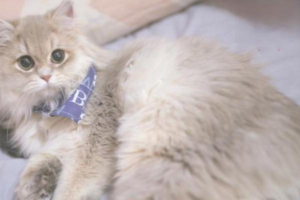
Before you worry your cat is overweight, know that the saggy belly flap is usually a primordial pouch, not fat. Nearly all cats, wild and domestic, carry this loose skin, a leftover from ancestors who stored food and needed extra room and protection. Understanding it saves you from needless dieting and explains why some abdominal surgeries change a cat's flexibility.

Is a Cat in Heat in Pain When It Won’t Stop Meowing? How to Soothe It
A cat that yowls through heat is genuinely uncomfortable, though not in physical pain—hormone swings bring anxiety and a strong drive to mate, and the loud calls are an instinct to attract distant partners. You can't switch it off, but play, pheromones, warmth, and a calm dim space ease the distress. Spaying is the only lasting cure.