Search Results
3409 results for “Heat”

Common Goldfish Diseases and Their Prevention
Common goldfish diseases include white spot (ich), cloudy eye, saprolegniasis, enteritis, fin/tail rot, and dropsy (pinecone disease). Learn these to prevent and lower illness risk. Water quality is the main health factor—keep it clean with regular changes and cleared waste to avoid bacterial growth and infection. Keep temperature steady and oxygen sufficient.

Why Is a Young Kitten Cold and Weak?
A cold, weak kitten may be from low temperature, poor nutrition, lack of security, or illness. Newborns can't regulate temperature, so cold environments drop their body heat. High nutritional need means shortage causes weakness and low temperature. Early separation from the mother or threats causes stress. Illnesses like respiratory infection or indigestion also cause it. Respond with warmth, nutrition, treatment, and a safe environment.

Why Does My Dog Keep Licking Its Private Area?
Frequent licking can have many causes—handle by the cause. Heat, urinary tract infection, reproductive inflammation, poor nutrition, or anxiety can all cause it. Keep the environment clean, monitor health, give balanced diet, and add company. If you see red/swollen urethra, or abnormal urination like pus, blood, or retention, see a vet.

Why Dogs Lose Appetite and What to Do
Dogs may refuse food for many reasons - unpalatable meals, physical discomfort, indigestion, illness, internal parasites, or being in heat. Identify the specific cause and respond accordingly. If the problem is food- or stomach-related, adjusting the diet and aiding digestion usually helps; if it is illness, prompt veterinary care is needed.

What to Know About Using Tap Water for Fish
Tap water contains chlorides harmful to fish. Let it stand or air 3 days so chlorine evaporates. Match its temperature to the tank to avoid shock; use a heater or ice pack if needed. Some areas' water has unsuitable hardness or pH—test with kits. Change 1/5–1/3 every 3 days to a week to keep stability.

Why Dogs Refuse to Eat
There are many reasons a dog refuses food - improper feeding, a monotonous diet, indigestion, lack of exercise, low mood, being in heat, or illness. Address the specific cause with a targeted solution. To prevent anorexia, feed sensibly, choose high-quality kibble as the staple, and vary the diet so the dog doesn't lose interest in food. Also feed on a fixed schedule and portion to build good eating habits.

How to Discipline an Overly Playful Cat
An overly playful cat usually has excess energy or wants attention. Cats need daily activity; without it they act out to burn energy. A long-ignored cat may misbehave to draw notice. Beyond play and toys, punish bad behavior on the spot with fair, consistent correction, and consider spaying or neutering a hot-tempered cat, which usually calms it.
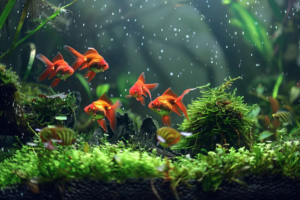
Which Fish Are Suitable Tank Mates for Goldfish?
Goldfish are gentle and adapt well, suiting schooling and dense keeping with small, weak-competing fish like guppy, tetra, moonfish, angelfish, and blood parrot. Avoid large or strong feeders that outcompete the clumsy goldfish, or it may starve. Ensure space, oxygen, and stable warm temperature for tropical mates.

What to Do When a Dog Keeps Panting
Panting can stem from overheating, stress, pain, heart or lung disease, or tracheal collapse. Cool an overheated dog and ease a scared one with quiet, interaction, or a calming spray. If panting persists or comes with other symptoms, see a vet promptly. Prevent with a clean home, regular checkups, and good diet and exercise.
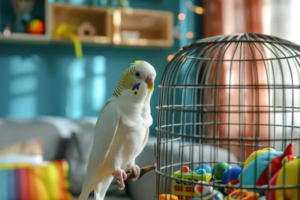
How to Care for a Lovebird
Use a sturdy metal cage (not wood - they chew and may escape), line the bottom with shavings or sand, and feed a balanced pelleted diet plus grains, fruit, and vegetables (avoid avocado and sugary or fatty human food). Feed by age - newborns every 1-2h, adults once daily - and change food and water daily. Give cooled boiled water in a shallow dish and keep them cool.