Search Results
3409 results for “Heat”

Things to Know When Caring for a Chinchilla
Chinchillas have dense fur and hate heat; around 20°C (68°F) is their comfort zone, so owners must manage both warming and cooling. This article covers the key husbandry points—environment, cage, and diet—for keeping a chinchilla healthy.
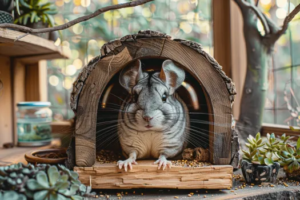
What Is a Chinchilla’s Personality Like? Key Things to Know Before You Get One
Chinchillas—also called velvet rats—have dense, soft fur and a gentle, non-aggressive temperament, which makes them a favorite pet. This article covers their fur, personality, lifespan, and diet so new owners know what to expect.

Why Do Hamsters Go Into Pseudo-Hibernation?
Some owners don't know hamsters can pseudo-hibernate. Finding yesterday's lively pet cold, stiff, and seemingly breathless, they may think it's dead and bury it—but it may only be in pseudo-hibernation. This article explains how to tell and how to revive it.

What Happens If a Cat Breeds Too Often?
While unspayed, constantly in-heat cats risk pyometra, mammary tumors, and ovarian cysts, too-frequent pregnancy and birth also heavily burden the mother. This article explains the effects of frequent breeding so owners limit litters.

Why Your Dog’s Coat Loses Its Shine
A dull coat often signals health or care problems—poor diet, lack of sunlight, bad washing habits, or simply aging. Regular brushing, sensible sun exposure, and supplements like lecithin restore coat health and gloss.

Can You Release a Pet Hamster into the Wild?
Never release a pet hamster—bred in captivity, it can't forage, avoid predators, or cope with weather, and will die within days. Instead rehome, sell, or board it at a pet shop.

Key Techniques for Raising Rabbits
Whether for meat, wool, or as a pet, rabbits need scientific care: a fiber-rich diet in small frequent meals, clean non-tap drinking water, a steady 20°C environment, and strict hygiene with 12–15 hours of light. Master these to keep rabbits healthy.

Why Is My Turtle’s Shell Soft, and How to Treat It?
A soft shell is usually normal shedding or, more seriously, calcium deficiency (metabolic bone disease). Improve diet with calcium-rich foods and ensure daily sun or UVB to aid absorption.

Why Does Your Cat Have a Lump in Her Mammary Gland?
A lump in a cat's mammary area may be hyperplasia, mastitis, or a tumor—especially in nursing, in-heat, or false-pregnant queens. Keep the area clean and see a vet promptly; mastitis needs antibiotics and weaning the kittens.

How to Keep a Hamster Warm in Winter
Hamsters feel the cold despite their fur and can slip into a dangerous false hibernation below 15°C. Switch to warm bedding, add fatty foods, use a cozy nest, and warm a chilled hamster gradually if it goes torpid.