Search Results
3409 results for “Heat”

How to Stop Cats from Fighting
To break up a cat fight, spray them with water or a water gun rather than using your hands, then check for injuries. Prevent future fights by giving each cat its own space and resources, addressing the cause, and using positive behavior training.

Dog Nasal Congestion: Symptoms and Causes
Dog congestion shows as troubled breathing, low energy, watery eyes, poor appetite, and a changed voice; colds add coughing, sneezing, and fever. Causes include viral infection, bronchitis/rhinitis, or blockage (tumor, sand). Check the nose, rinse with 3% boric acid per vet advice, and see a vet if it persists.

How to Prevent White Spot Disease in Koi
Koi white spot disease (ich) is caused by the parasite Ichthyophthirius, which dies in high heat. Prevent it by keeping water warm, maintaining good water quality (stable pH/ammonia, regular partial changes), avoiding overcrowding, quarantining new fish, and monitoring health.

How to Feed a Red-Eared Slider and What to Watch For
Feeding a red-eared slider depends on its life stage: hatchlings need daily meat-rich meals, while adults do well with pellets, insects, and veggies two to three times a week. Keep water clean and warm (23–30°C), provide a basking spot, and stop feeding once they hibernate below 11°C — just maintain water above 4°C.

Which Tropical Cleaner Fish Are There?
Most cleaner fish are tropical, happiest around 20–30°C. Good choices include the otocinclus, corydoras, eartheater, kuhli loach, and the larger 'Fei Feng' scraper. Pick by size and temperament — gentle species suit small peaceful tanks, while bigger ones fit community tanks with large fish.

Which Ornamental Fish Can Live in Cold Water?
If heating the tank feels like a hassle, choose coldwater fish. Good options include the white cloud mountain minnow, comet goldfish, paradise fish, medaka, goby, bitterling, hillstream loach, and koi — most thrive between 5 and 30°C without a heater, though very low temperatures can dull their color.

What Types of Cleaner Fish Are There?
Cleaner fish are aquarium species that help keep the tank clean. Many fish fill this role—including the three-stripe corydoras, black-line flying fox, black molly, flying fox fish, gold sailfin pleco, eartheater cichlids, kissing gourami, rope fish, and plecostomus—consuming algae, devouring the biofilm and oil film on tank walls, and clearing leftover food from the bottom. Keeping them appropriately can effectively reduce water pollution. Because cleaner fish vary greatly in size, it is best to pair smaller cleaners with smaller fish and larger cleaners with larger fish.

Why Is My Cat Crying Reddish-Brown Tears?
Reddish-brown tear discharge in cats can be caused by overly salty food, a blocked nasolacrimal duct, or eye inflammation. Determine the specific cause from the actual situation and treat accordingly. If the cat recently ate salty food, it may be 'internal heat' causing more discharge that oxidizes to reddish-brown—adjust to a bland diet and offer more water. If the eyes are also red and swollen, inflammation is likely; see a vet.

Signs of Overexertion in Dogs
An overexerted dog may pant with tongue out, lie limp and unmoving, lose appetite, and in severe cases become dehydrated. Long-term over-exercise leads to weight loss and lethargy. Control exercise by breed, size, age, and fitness; puppies need under 30 minutes daily without intense activity, and dogs with joint or heart disease should only walk.
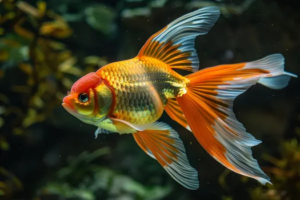
How to Improve the Survival Rate of Ornamental Fish
To raise survival, fishkeepers should feed reasonably, change water regularly, clean filter media, keep temperature suitable, and control stocking density. Match diet to the species, control amount and frequency; regular water changes and filter cleaning keep water quality. Keep temperature right and density appropriate for tank size. Before mixing species, learn which coexist to avoid losses.