Search Results
3409 results for “Heat”

Hamster Shedding and Summer Care
Summer shedding is normal for hamsters as they lose their thick winter coat, but constant shedding may signal illness. Also guard against heatstroke with shade, water, ventilation, and cooling foods.

Why Cats Yowl at Night
Nighttime yowling in cats can signal stress, heat, pain, or illness. This guide explains the common causes and practical fixes—from a calm sleep spot to vet care when other symptoms appear.

What to Do When Your Hamster’s Cage Smells Bad
A smelly hamster cage usually means missed cleaning or strong natural odors. This guide covers odor-control foods, activated charcoal and proper bedding, sand baths, thorough cage washing, and spotting illness or diet as hidden causes.

How to Support a Cat with a Sensitive Stomach
Some cats have notoriously delicate digestions—the so-called glass stomach—prone to soft stools, diarrhea, and vomiting. The key to managing it is diet. Choose a limited-ingredient, single-protein hypoallergenic food, feed small meals several times a day, and always transition new food over seven days. Pet-specific probiotics (mixed into water below 40°C so the live cultures survive) help rebalance gut flora, while a calm, low-stress home prevents flare-ups. If symptoms persist or worsen, a vet check and possibly a prescription gastrointestinal diet are the right next steps.

How to Tell if a Hamster Is Cold
Hamsters feel the cold far more than cats or dogs, with a comfortable range of 20–25°C. Below 20°C they start to chill; below 10°C they slow down and risk colds or pneumonia; below 5°C they may enter a dangerous pseudo-hibernation. You can tell a hamster is cold by taking its temperature (under 37°C under the arm or thigh), feeling that it is cooler than usual, or spotting shivering, purple-tinged gums, low energy, poor appetite, and nest-building with bedding. If it goes still with a faint heartbeat, act fast to warm it—pseudo-hibernation can be fatal.

How Do Female Dogs Choose a Mate?
A female dog picks a mate by several factors—genetic strength, social rank, appearance, and temperament—to improve offspring survival and health and secure better resources. She judges a male's health and background through scent, observation, and behavior, and becomes proactive once she chooses.
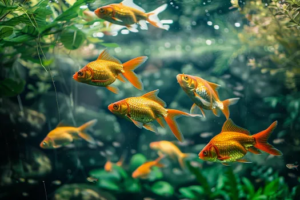
Why Do Ornamental Fish Gasp with Their Mouths Open?
Fish that gasp openly usually signal low dissolved oxygen, a sharp temperature change, or gill disease. Gasping is a self-regulating response to environmental stress. Boost aeration, stabilize temperature, and treat gill infections with salt and warmer water. Keep the tank clean, well-oxygenated, and at a stable temperature.

How Often Should You Completely Change Cat Litter?
Generally, fully change the litter when it drops to about one-third of the original amount after 1-2 weeks, but adjust for the cat's age, health, season, and litter type. Poor-quality litter that clumps poorly or sticks needs sooner replacement. Always wash and dry the box before refilling.

What to Do If Your Dog Is Frozen and Cannot Stand?
If a dog is too cold to stand, act fast: move it to warmth, wash with warm (not hot) water to clean snow and restore temperature, dry thoroughly, then wrap in blankets with a hot-water bottle. Offer glucose water by mouth to regain strength. If no improvement, go to the vet.
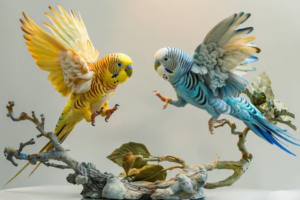
How to Dry a Parrot After a Bath
After a bath, gently blot a parrot with a soft towel, then wipe its eyes and nostrils with a cotton swab. Place it in a warm, airy spot to shake and air-dry. In low temperatures, use a low-heat, low-speed dryer from a distance; mild sunlight is fine but not too long to avoid heatstroke.