Search Results
633 results for “Health, Breeding”

How Environmental Factors Affect Meat Rabbit Fattening
A dim, quiet environment helps fatten meat rabbits: it suppresses sexual development, raises feed efficiency, calms the animals, and speeds weight gain — trials show rabbits in darker cages weigh 250–350 g more after six months. Because they get little sunlight, keep cages clean, disinfect often, and feed a complete diet rich in vitamins and minerals.

How to Raise Meat Rabbits Efficiently
Efficient meat-rabbit farming comes down to five things: choose high-quality breeding stock, manage them well to reach their full production potential, improve feed conversion to cut costs, keep the rabbitry disease-free, and adjust your scale to market demand. Strong breeding selection and good husbandry are the biggest levers on profit.

Chinese Rural Cats vs. Pedigree Pet Cats: What’s the Difference?
Chinese rural cats (native mixes) and pedigree pet cats are cared for similarly, but rural cats are hardier and cheaper. This guide compares them on health, price, looks, temperament and ease of keeping.

Arowana Lifespan and Why They Die Early
Wild arowana can live 30 years or more, but captive fish often die young at just 6 to 7 years because of weak breeding, over-emphasis on looks, poor water quality, and stress. Stable, well-filtered, slightly acidic water and a natural approach help them live longer.

How to Care for Different Types of Huskies
Huskies need different care at each life stage — breeding males, nursing mothers, unweaned and weaned puppies, and seniors all have their own needs. Here is how to handle each.
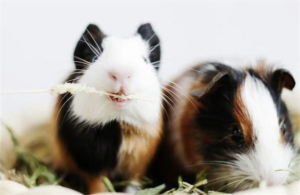
At What Age Can a Guinea Pig Give Birth, and How Many Per Litter
Guinea pigs can breed from about 3 months (around 500 g); a first birth after 7 months raises dystocia risk from pelvic fusion, so breed the first litter before 7 months. Litters are 1-7, born walking and eating within hours, gestation about 68 days, up to 5-6 litters a year. Keep the nest warm (at least 22 C), separate the male after birth, and stay quiet.

Chinchilla Mite Infection vs Fungal Infection: How to Tell Them Apart
Both mite and fungal infections cause hair loss and red skin, but mite hair falls in root-level patches with much dandruff and can be fatal, while fungal loss is sparser and not life-threatening short-term. Treat mites with alcohol wipes, mite lotion, medicated dust, and ivermectin if severe; keep the cage dry and clean to prevent both.

How to House Two Chinchillas Together (Co-Caging)
Co-caging two chinchillas needs familiarization first (side-by-side cages or swapping for a week) and separation at the first fight. Use the female's or a new cage (females are dominant). Only pair opposite sexes at 8+ months and 500 g, with similar weights, both healthy, and no inbreeding (avoid two white-gene or two velvet-gene mates, and never siblings). Separate right after a copulatory plug appears to protect a pregnancy.

What Happens If a Golden Coin Turtle Never Gets Sun?
Sunning gives a golden coin turtle vitamin D for calcium (preventing soft shell), kills parasites and bacteria via UV, deepens shell color, and speeds metabolism and appetite. Sun juveniles 10–20 minutes and adults 30–60 minutes daily, in morning or evening — never at midday on concrete, and not during hibernation.

Care Before and After Plucking a Long-Haired Rabbit’s Fur
Before plucking, comb the fur to prevent matting. After, strengthen feeding with digestible, nutritious feed and add some vitamins. This article covers more tips and cautions for plucking long-haired rabbits.