Search Results
633 results for “Health, Breeding”

How to Prevent Swim Bladder Disease in Ornamental Fish
Swim bladder disease is common in ornamental fish; prevent it by controlling temperature and water quality. Many cases follow water changes with big temperature gaps — keep new and old water within about 2°C. If a fish loses buoyancy, isolate it in shallow water with a little salt, feed less, and if needed add a buoyancy aid.

Why Did My Aquarium Water Turn White? What to Do
Milky water is usually biological (from overfeeding, unsterilized live food, or poor cleaning letting protozoa boom) or limestone turbidity (from unwashed gravel shedding lime). It clouds the tank, presses out beneficial nitrifying bacteria, stresses fish, and can smell. Fix it by more frequent water changes and cleaning, a UV sterilizer, stronger filter media, added beneficial and nitrifying bacteria or enzymes, and for lime, dilute with water changes, use potassium fertilizer, or add a clarifier and siphon the settled matter.

Common Aquarium Filter Media and How to Clean Them
A filter keeps water healthy, but its media need regular cleaning and replacement. Key media: filter floss (mechanical, top layer), bio-sponge and bio-balls (nitifying bacteria), ceramic/glass rings (anaerobic bacteria, large surface), activated carbon (chemical, replace monthly), coral sand (hardness), ammonia-removing stone, and live plants—each with its own care routine.

Long-Haired Curly Guinea Pig
The Long-Haired Curly Guinea Pig, also known as the long-curly-haired cavy, is a rare and distinctive guinea pig variety native to Peru and Brazil. With its unique curly long coat and gentle nature, it makes a beloved small pet, though its coat requires regular grooming to prevent matting.
How often should a dog toilet be cleaned?
Generally clean and disinfect the dog toilet once a week. After each use, remove the waste promptly to avoid odor buildup and germs that harm the dog and home. Keep the home clean and the dog healthy by timely cleanup and regular disinfection.
How often should an adult turtle be fed?
Generally, feed an adult turtle every 1-2 days, with amount based on size and habits. Appetite is affected by temperature and age, so adjust frequency and amount accordingly. Clean waste and food residue after each meal to keep water quality and prevent bacteria.

Common Natural Live Foods for Ornamental Fish
Natural live foods - bloodworms, shrimp, silkworm pupae, mealworms, brine shrimp, tubifex, superworms - boost color and activity but carry parasites and bacteria, so always clean and disinfect them before feeding. Choose by fish size and use in moderation.

How to Feed a Newborn Chinchilla Kit
Newborn kits nurse once dry; hand-feed with diluted formula (2-4 ml, 4-5x/day) if there are more than 3 kits or the mother neglects them. Keep them at 10-20 C, secure the cage, and wean by 6 weeks (2 months fully), separating by sex to avoid early breeding.
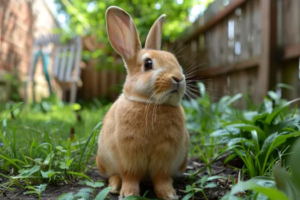
What to Prepare Before a Doe Rabbit Gives Birth
Before a doe gives birth, prepare well; how ready you are directly affects the kits' survival, since does eating kits or kits freezing are not rare. What should you prepare? Let's look.

Why Won’t a Dog’s Ears Stand Up?
Whether a dog's ears stand up is mostly genetic; some naturally erect-eared breeds stand by about 3 months. Some never do. So a dog that won't stand usually lacks the gene or isn't old enough. Here are the reasons.