Search Results
633 results for “Health, Breeding”

How to Ensure Healthy Dog Breeding
Healthy dog breeding starts with choosing an unrelated, health-checked mate free of hereditary issues, then feeding balanced nutrition and giving regular exercise to build condition. A calm, comfortable environment and mating at the right point in the cycle raise success, and pregnant dams need extra care, nutrition, and a clean whelping area.

At What Age Should Dogs Stop Breeding?
Most veterinarians advise retiring a female dog from breeding around age 6, since fertility and fitness decline with age and the risk of difficult labor rises — small breeds may go longer, large breeds reach their limit sooner. Males have no hard cutoff but their fertility and drive fall with age, so pacing matings protects both body and mind; always plan with a vet, because too-frequent breeding raises the bitch's risk of pyometra and miscarriage.
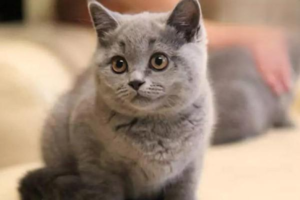
What to Consider Before Breeding Your Cat
If your only reason is 'I heard breeding is good for the mother cat' or 'it is inhumane to leave her unbred while she is in heat,' we suggest you drop the breeding plan.

Six Key Points for Breeding Rabbits in Summer
Summer breeding needs care: mate does below 25°C at cool times, keep bucks at about one mating a day, set first-mating age at 5 to 7 months by size, pair similar-aged adults, and use repeat or double mating to lift conception. Put the doe in the buck's cage, never the reverse.
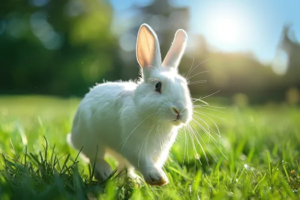
How to Manage a Breeding Buck Rabbit
A breeding buck must be purebred, healthy, and produce high-quality semen, which requires complete nutrition, proper body condition (about 70 to 80 percent fill), and rational use, roughly a 1:8 to 10 buck-to-doe ratio with limited daily matings. House bucks singly, mate in the buck's cage, and check reproductive health before each pairing.
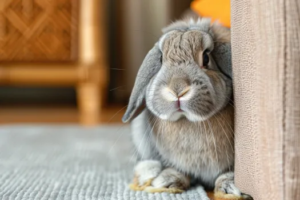
Breeding Taboos for Rabbits
Good breeding is key to profitable rabbit farming, yet some owners breed does back-to-back regardless of health, leading to many kits but poor survival. Avoid close inbreeding, mating too early, over-mating, summer breeding, early or late weaning, mixed-group housing, and poor management to keep reproduction rates and kit health high.

How to Choose and Introduce New Rabbit Breeding Stock
Choosing rabbit breeding stock means matching the breed to local conditions and market demand, sourcing from reputable farms rather than resellers, and preferring autumn transport with climate-matched animals. Pick healthy, high-yield stock and avoid old, sick, or weaned rabbits on long trips.

How Do Breeding Rabbits Differ from Ordinary Rabbits? And Their Price
What sets breeding rabbits apart, and what are their roles? Can market rabbits breed? What do breeding rabbits cost? We explain.

How to Select Quality Breeding Rabbits
A breeding rabbit's quality strongly affects its offspring, so check both bucks and does carefully when buying in. Here is how to choose.
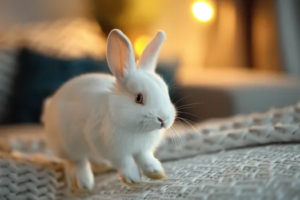
How to Schedule Breeding Buck Mating Reasonably?
Beyond the buck's own fertility, scheduling his matings well is key to raising conception. Today we discuss how to schedule buck mating reasonably.