Search Results
633 results for “Health, Breeding”

Black-capped Lory
The Black-capped Lory is a very beautiful bird whose plumage is varied and vivid, which is why it is loved by many. Its most obvious and well-known feature is its black crown, as if wearing a black cap. Unlike some other parrots that eat plant seeds, the Black-capped Lory feeds mainly on nectar, pollen, and fruit.

Black-headed Caique / Black-crowned Parrot
The Black-headed Caique is an easily recognized parrot; from its name you can guess its head is black, like wearing a black cap. Because of this distinctive look and its playful personality, the Black-headed Caique attracts much attention and affection. Compared with some birds, it is long-lived, averaging about 30 years.

Red-shouldered Macaw
Macaws are never small in size, and even as the smallest macaw, the Red-shouldered Macaw exceeds 30 cm in body length. Because it can talk, the Red-shouldered Macaw has found its way into many homes. With proper care it lives about 20 years, though records show the oldest individuals can reach 80 years of age.
Blue-headed Parrot
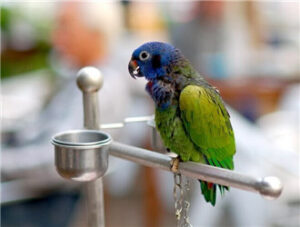
The Blue-headed Parrot (Pionus menstruus) is a relatively small, slightly plump parrot with a short tail that can live up to 25 years with good care. It is one of the more commonly kept parrots of its genus, with three subspecies that differ mainly in the depth and spread of the blue coloration on the head.

Blue-headed Macaw
The Blue-headed Macaw is the most expensive of the small parrots, mainly because of its scarcity, low popularity, and obscurity—truly a case of rarity commanding a premium. In captivity it is easily tamed and quite robust, adapts well, and like other macaws loves to chew and is destructive, so regular bathing keeps its plumage healthy. It suits a fairly roomy, flight-capable aviary.
Green-cheeked Conure
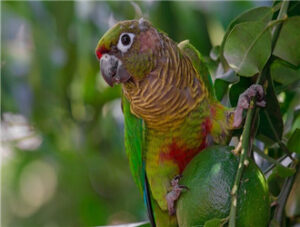
The Green-cheeked Conure (Pyrrhura molinae), also called the green-cheeked parakeet, is a typical climbing bird with richly colored plumage. It is mainly distributed in the highlands of eastern Bolivia.

Green-winged Macaw
The Green-winged Macaw (Ara chloropterus), also called the Red-and-green Macaw, is a relatively large parrot with a lifespan of up to 80 years. Its colorful plumage resembles Beijing-opera face paint and can turn red when excited. It comes from the tropical Americas.

How Long Do Hamsters Live and What Are the Signs of Dying
A hamster's average lifespan is about two years (Roborovski up to 3–3.5), shaped by breed, genetics, diet, housing, and health. Lifespan factors include solitary housing and prompt treatment of illness. Before death a hamster shows a hunched back, rapid weight loss, and severe hair loss — prepare yourself and care for them gently.

Techniques for Fostering Rabbit Kits
Foster kits when a doe has too many young or too little milk, but do it within a week of birth, keep litters within 3 days of age, and use a healthy doe with ample milk. The trick is scent: blend the kit's smell with the nurse doe's nest, dab her milk or urine on it, or dull her nose with paraffin/iodine so she can't tell it isn't hers. Watch her reaction and repeat if she rejects it.

How to Wean Kits (Baby Rabbits)
Wean kits to let the doe recover and the young adapt: breeding/Angora/Rex at 30–40 days, meat rabbits at 28–35 days, or before 28 days under intensive 'blood mating'. Use one-time weaning for uniform litters and staged weaning for uneven ones, cut the doe's concentrates first to prevent mastitis, and keep kits in their original hutch 3–5 days post-weaning to reduce stress and losses.