Search Results
6122 results for “FIC”
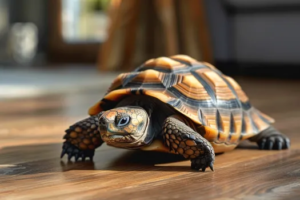
How to Care for a Hermann’s Tortoise as a Beginner
The Hermann's tortoise is a popular, beginner-friendly land tortoise, but new keepers still need to get the environment right. Aim for steady warmth—around 26–32°C by day, 18–21°C at night—using a thermostat to avoid swings, and keep humidity near 40–50%, adding moisture when the air is dry. Plenty of light matters: natural sun is best, while indoor setups need UVB and full-spectrum lamps to support appetite, digestion, and growth. Give the tortoise room to roam plus a hide for security, and wait three days after arrival before offering food so it can settle. A habitat that mimics nature is the foundation of good health.

What to Do With Your Dog Over Chinese New Year
When the holidays pull you home, your dog's care needs a plan. If possible, take it along by car or by train or air cargo - you will need a dog license and health certificate, and cargo is charged by weight, so call the carrier ahead. Boarding works too: a local family that loves dogs is gentler than a shop cage, or use a pet hotel with a signed agreement. Avoid boarding puppies under six months or very old dogs, whose weak immunity struggles with new environments. Above all, do not leave a dog alone too long - it may think it was abandoned and develop real emotional and physical problems.

What to Do About Dog Bad Breath
Two common, fixable causes of dog breath are diet-related. A lack of vitamin B can cause odor - add cooked carrot and cauliflower, or a nutrition paste, to the food. Irregular feeding makes digestion poor; a hungry dog bolts its meal, food sits and ferments, and the smell rises from gut to mouth. The fix is simple: control portions and do not overfeed, so the stomach is not overloaded.

What Is Feline Glomerulonephritis
Feline glomerulonephritis is an immune-mediated kidney disease that most often affects young male cats. It develops when antibody-antigen complexes are filtered and trapped in the glomeruli, the kidney's tiny filtering units. The result ranges from protein-wasting nephrotic syndrome to chronic kidney failure. Recognizing the signs and the treatment goals helps owners act early.

What Are the Differences Between Tortoises and Sea Turtles?
Tortoises and sea turtles differ greatly in form, habitat, and habits, even though both belong to the order Testudines. Tortoises live on land, needing only occasional soaking and unable to stay in water long; sea turtles spend life at sea, coming ashore only to lay eggs and bask. A tortoise's shell is thick and domed, with short sturdy legs that bear its weight; a sea turtle's shell is thin and smooth, with long front flippers. Tortoises can pull their limbs inside when threatened; sea turtles cannot. Both are omnivorous, but tortoises eat roots, leaves, fruit, and vegetables, while sea turtles favor seaweed. Knowing these differences helps any keeper care for them correctly.

What Dog Breeds Are Considered Dangerous or Aggressive?
Dangerous dogs are breeds known for strong aggression, high fighting drive, and difficulty being controlled. Examples include the Tibetan Mastiff, Dogo Argentino, American Pit Bull, Bull Terrier, Saint Bernard, Caucasian Shepherd, Croatian Sheepdog, and more. Because these dogs can threaten people and other animals, they are not recommended for densely populated urban areas, where an out-of-control dog could cause serious injury. Most dogs, however, are deeply loyal to their owners, and dangerous breeds are no exception. Owning one is possible, but only with dedicated, professional training to keep the dog under control. Without the patience and time such training demands, it is best to think carefully before bringing a powerful breed home.

What to Do When Your Dog Gets Cars Sick
More hotels and attractions now welcome pets, but some dogs still get car sick - drooling, labored breathing, vomiting, even loss of bowel control and limp limbs. The good news is you can help your dog overcome it. Start by letting the dog adapt to the car with short, smooth trips and its own bed for security; then practice sitting in a running (but stationary) car and finally slow drives with calm reassurance. If sickness strikes, slow down, open a window for air, and use a vet-approved sedative or motion pill after stopping.

Basic Training Every Dog Owner Should Know
A newly arrived dog brings plenty of challenges, but dogs are highly intelligent and most problems come from simple misunderstanding. With patient training, nearly everything can be solved. This article covers three practical areas: command training (sit, shake, down), resource guarding around food, and housebreaking to a designated spot. Using treats, toys and clear timing, you can teach your dog what you expect. For stubborn cases in large breeds, professional trainers are the safe choice. Consistency and patience are the real secrets.

Why Cats Become Picky Eaters and How to Fix It
A picky cat risks malnutrition, anemia, low blood sugar, and a weak immune system, so correcting it protects health. The fix is structure: controlled portions, few treats, a gradual mix-down to staple food, and timed meals that teach good habits. This guide covers the harm and the practical methods.

Why Your Cat’s Paw Pads Are Peeling
Peeling paw pads can be as simple as low vitamin B, dry weather, or rough litter, or as serious as a bacterial or fungal skin infection. Most cases improve with water, a little balm, and softer litter, but itching, hair loss, or scabs mean a vet check. This guide covers the common causes and what to do.