Search Results
6122 results for “FIC”

Why Is Your Dog Having Trouble Breathing
Difficulty breathing means changes in a dog's breathing rate, depth, and rhythm, often with the chest muscles working overtime to compensate. It is a common and serious sign of respiratory or other system disease. The causes fall into a few mechanistic types, and a sudden breathing struggle is always an emergency.

How to Stop a Dog From Eating Its Own Poop
Eating its own stool is a common dog behavior, usually harmless but sometimes a sign of a problem. Causes range from missing nutrients and youth or pregnancy, to lack of training, boredom, or illness such as pancreatitis. To correct it: feed a complete diet with added trace minerals and vitamins, clean up stools promptly, interrupt with a firm 'leave it' and reward stopping, and as a last resort make the stool unpalatable with a safe deterrent. If the habit persists despite these steps, consult a veterinarian to rule out a medical cause. Patience and consistency are what break the cycle.

What If Your Cat Licks Rubbing Alcohol?
A small lick of rubbing alcohol usually does little harm—watch your cat's appetite, mood, and litter habits, and if nothing is odd, it is fine. But cats cannot metabolize alcohol, so a larger amount damages the liver and other organs and needs urgent veterinary care: induced vomiting and stomach flushing. For wounds, clean with povidone-iodine (gentler than alcohol) and fit an Elizabethan collar so the cat cannot lick the site. Store alcohol and other irritants where cats cannot reach them. Knowing the dose is what decides whether a lick is harmless or an emergency.

Why You Might Consider Genetic Testing for Your Dog
People use genetic testing to screen for inherited disease and confirm family ties; dogs can benefit too. A breed dog's DNA test can flag the risk of more than 130 inherited conditions, confirm whether a pricey puppy is truly purebred, serve as proof of identity if it is lost or stolen, and even predict behavior traits. It is a practical tool for smarter, more personal care.

How to Train Your Dog to Catch Objects Mid-Air
Teaching a dog to snatch a treat out of the air is a fun, bonding trick that builds focus and coordination. The method is gradual: a spoken cue, a slow lob close to the head, and slowly smaller, faster, higher throws until the hind legs leave the ground. Most dogs grasp the basics in a single session with the right pacing.

What to Do If Your Puppy Overeats
A puppy's digestive system is still immature, so overeating overloads the gut and can cause indigestion, vomiting, or diarrhea. If your puppy has eaten too much, stop feeding at once and let the food settle before offering small amounts again. Gentle exercise, like a short walk, aids digestion, and a light belly massage helps move things along. Pet-specific probiotics can rebalance the gut. Watch for vomiting, diarrhea, or abdominal pain—if these appear, see a veterinarian. Going forward, feed little and often, measure portions, choose quality food, skip human scraps, and keep mealtimes calm to prevent overeating in the first place.
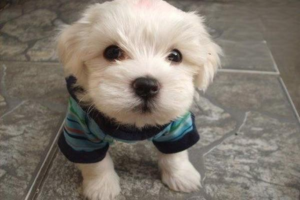
What Is Canine Hemophilia A
Hemophilia A, also called factor VIII deficiency, is an inherited bleeding disorder in dogs. Affected dogs lack the clotting protein factor VIII, so they bleed easily and cannot form clots normally. It is X-linked recessive, mostly affects males, and currently has no cure, only lifelong management with clotting-factor replacement.

How to Treat Cat Chin Acne
Cat 'black chin' is simply feline folliculitis - black specks like coal dust at the hair roots, sometimes red and painful, worsening to pustules, hair loss and itch. Causes: too-oily food, plastic bowls and chewed plastic toys that harbor bacteria, overactive hormones (intact males are prone, especially on tail and chin), and poor grooming or dusty homes that let oil build. Most cases are cosmetic and need no treatment, but switch plastic bowls first; mild cases get a topical antibiotic after warm compresses, and weekly medicated washes. It can strike any cat, any age or sex.

Dog Food vs Supplements: What’s the Difference?
Dog food is a complete staple designed by pet nutritionists to meet a dog's basic life, growth and health needs - balanced, digestible, convenient and even disease-preventing. Supplements fill specific gaps: vitamins, proteins, calcium, goat-milk powder, coat and pigment support, aiding development and recovery from illness. The rule is food first, supplements second - even good food is not 100% absorbed, so supplements help. But add them only when needed: large breeds needing calcium for joints or baby teeth, picky or single-diet dogs needing vitamins/minerals, weak or sick dogs (B-vitamin for some skin issues, probiotics for gut), and life-stage needs like goat milk for weaned pups. Over-supplementing backfires into allergy or obesity.

Why Your Cat’s Diarrhea Persists Despite Probiotics
It is a common story: your cat has soft stool or diarrhea, you reach for a probiotic, and the problem does not go away. Probiotics can help the gut, but they are not a cure for every loose stool, and not every product on the shelf is what it claims to be. Understanding why they sometimes fail points you toward the real fix.