Search Results
6122 results for “FIC”

Canine Infectious Hepatitis: Can It Be Treated
Canine infectious hepatitis is an acute, often severe viral disease of dogs caused by canine adenovirus type 1 (CAV-1). It spreads through urine, saliva, and nasal discharge and hits weaned puppies hardest, sometimes with no warning signs. Typical signs include a fever that rises then falls, lethargy, vomiting, diarrhea, and a characteristic cloudy "blue eye" in about a quarter of recovering dogs. While there is no direct cure that eliminates the virus, most dogs recover with prompt supportive care such as fluids, liver protection, and antibiotics to control secondary infection. The good news is that the disease is highly preventable through routine vaccination, with puppy shots given at 8-9 and 10-12 weeks and annual boosters for adults.
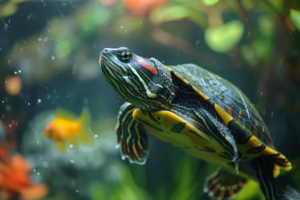
Which Turtles Are Best for Beginners?
Good starter turtles include the Chinese pond turtle, red-eared slider, musk mud turtle, hybrid flower-pond turtle, and common snapping turtle. These species are inexpensive, adaptable, and resilient, so beginners can practice with them. Many new keepers start with the Chinese pond turtle or red-eared slider. As long as basic mistakes are avoided and the turtles are cared for attentively, they can thrive. The most important management tasks are clean water, stable warm temperatures, and a proper basking area to reduce illness.
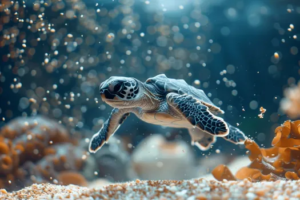
Which Pet Turtles Are Most Common?
The most common pet turtles include the Chinese pond turtle, red-eared slider, yellow-margined box turtle, red-faced mud turtle, painted turtle, musk turtle, map turtle, and yellow-breasted turtle. Among them, the Chinese pond turtle and yellow-breasted turtle are native Chinese species loved by keepers. Chinese pond and red-eared slider turtles are inexpensive and easy to raise, making them ideal for beginners. Because each species has different habits, owners should learn the specific needs of their turtle, such as basking requirements, and prepare a basking platform so the animal can dry off and absorb heat.

What Is Pseudorabies in Dogs
Pseudorabies, also called Aujeszky's disease, is an acute infection of dogs, cats, and other livestock caused by the pseudorabies virus. Dogs usually catch it by eating infected pig or rat tissue, and the hallmark is intense, localized itching. It is almost always fatal in dogs, so prevention and not letting a sick dog bite people are what matter.

Canine Parvovirus: Symptoms and Treatment
Canine parvovirus is an acute, highly contagious infection that hits puppies hardest and carries a high death rate. It shows as either severe hemorrhagic enteritis or sudden heart failure, and because mixed infections are common, quick recognition matters. Supportive care, fluids, and vaccination are the cornerstones.

What Is Kennel Cough in Dogs
Kennel cough, or infectious tracheobronchitis, is a highly contagious respiratory infection spread by many pathogens at once. It hits dogs of any age but is hardest on puppies, and it flares in cold, crowded, damp conditions. The classic sign is a harsh, dry, honking cough, and while most cases clear on their own, knowing when to treat matters.

Why Your Dog Has Tear Staining and Eye Discharge
A healthy dog's eyes are bright with little or no tearing or crust. When discharge increases, it is time to check the eyes, and a careful owner may reach for eye drops. The causes run from simple irritation to structural and whole-body disease, so the pattern of the discharge matters.

Will Changing Dog Food Hurt the Gut?
Why switch? Nutrition balance - eating one food forever risks deficiency; safety - some feeds use questionable 4D sources, unneeded flavor additives and heavy preservatives linked to chronic disease; and appetite - same taste daily breeds boredom (imagine burgers forever). Does switching hurt? A single-food gut makes narrow enzymes, so a sudden swap causes soft stool or diarrhea. The 7-day method fixes it: raise the new-food ratio daily until day seven is all new, avoiding digestive stress. Switch about every three months, or anytime if no reaction; mixing two foods for broader nutrition is fine. Picky eating comes not from switching but from rewarding refused food with tastier food - the dog learns refusal pays off.

Why Cats Get Diabetes
Diabetes is an endocrine disease where too little insulin or poor insulin response raises blood sugar, disturbing carbs, protein and fat and causing electrolyte imbalance. Cats have three types (I insulin-dependent, II non-insulin-dependent, III secondary); type II is common and, happily, preventable. The real drivers are diet and exercise, not just 'obesity' - high-carbohydrate commercial kibble turns to fat in a short gut that needs little carbohydrate. Signs: excessive drinking and eating with weight loss, 3-5x urine, walking difficulty, and late ataxia even paralysis. Complications bring lethargy, dull coat, vomiting, dehydration, sweet breath, coma. Prevent and treat with fixed high-protein, low-carb meals, regular activity, weight and check-up monitoring; many cats live well with medicine and good management.

Why Is Your Dog Having Diarrhea
A healthy dog passes formed stool three to four times a day. More frequent, soft, watery, mucus-laced, or bloody stool is diarrhea, a sign of illness rather than a normal variation. Clinically it is split into acute (sudden) and chronic (long-lasting) forms, each with its own common causes.