Search Results
5271 results for “Can f 5”

Siamese Russell’s Viper
The Siamese Russell's viper (Daboia russelii siamensis) is a venomous pit viper marked with three rows of large round dorsal spots. Distributed across Southeast Asia and parts of China, its bite is among the deadliest of Asian snakes and it is not suitable for home keeping.
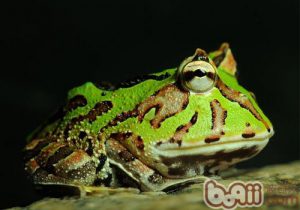
Cranwell’s Horned Frog
The Cranwell's horned frog (Ceratophrys cranwelli) is one of the most commonly kept horned frogs, native to South America. With its big body, short limbs, and warty skin, it is easy to keep and a great choice for beginners, though it must never be housed with other frogs.

Malayan Snail-eating Turtle
The Malayan snail-eating turtle (Malayemys subtrijuga) feeds on snails, freshwater mollusks, and crustaceans, which gives it its name. Native to Malaysia and surrounding regions, it is of moderate size but generally unsuited to home keeping.
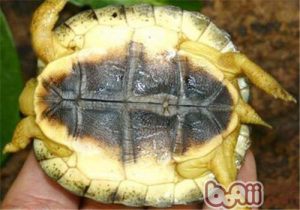
Furrowed Wood Turtle
The furrowed wood turtle (Rhinoclemmys areolata) is an aquatic, strong-swimming turtle from the Yucatán Peninsula. Omnivorous but plant-leaning in the wild, it is scarce in the pet trade and can be difficult to acquire.
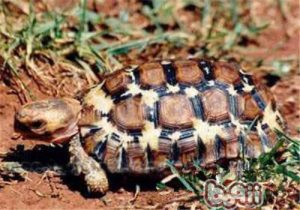
Lobatse Hingeback Tortoise
The Lobatse hingeback tortoise (Kinixys lobatsiana) is a relatively dry-adapted hingeback found in Botswana and South Africa. Though its range has two distinct rainy seasons, its habitat remains very hot overall, and it is seldom kept due to its rarity and similarity to other hingebacks.

Karoo Cape Tortoise
The Karoo cape tortoise (Homopus femoralis) is the largest member of the padloper group, native to the high plateaus of South Africa's Karoo region. Unusually cold-tolerant for a tortoise, it is the only padloper known to undergo winter dormancy.
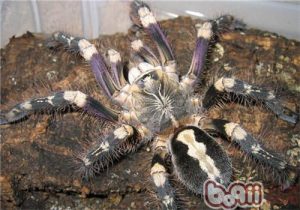
Ivory Ornamental Tarantula
The ivory ornamental tarantula (Poecilotheria subfusca) is a rare and prized tarantula distinguished by radiant white stripes on its back and, in adults, a unique black-and-white pattern on the abdomen. Listed as threatened by the IUCN, it is fast, defensive, and best suited to experienced keepers.
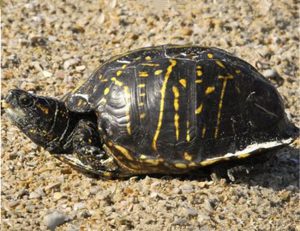
Common Box Turtle
The Carolina box turtle (Terrapene carolina) comprises six subspecies distinguished by their shell patterns and named for its box-like shell. Ranging from eastern North America through Canada and Mexico, this largely terrestrial, omnivorous turtle is exceptionally long-lived, though habitat loss has driven population declines.

Geometric tortoise
The Geometric Tortoise (Psammobates geometricus) is a rare, strikingly patterned South African tortoise protected as endangered. Extremely sensitive to humidity and a challenge to keep alive in captivity, it is best appreciated in the wild or by experts.

Brachypelma sabulosum
The Guatemalan Red Rump Tarantula (Brachypelma sabulosum) is a docile, beginner-friendly spider from Guatemala, similar to the Mexican Red Rump but larger. Easy to keep with modest humidity needs, it is an excellent first tarantula.