Search Results
38 results for “where dogs like touched”
What does a sleeping dog look like?
Dogs have light and deep sleep. In light sleep they lie prone guarding the head and wake at sounds but often just resume. In deep sleep limbs spread and they are hard to wake, sometimes dreaming with twitches.
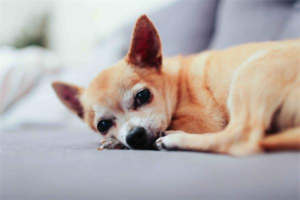
Why Do Dogs Get Hip Dysplasia
Hip dysplasia (CHD) is a hereditary mismatch between the femoral head and the hip socket, common in large breeds like German shepherds, rottweilers, huskies, labs, and goldens. Signs include lameness, reluctance to move, stiffness, and joint sensitivity, later muscle wasting. Manage conservatively (weight control, limited exercise, joint supplements, NSAIDs) or surgically.

Do Dogs Like Being Petted?
Most dogs enjoy being petted, but it depends on the dog's personality, its bond with you, and how and where you touch it. Dogs may dislike petting when they're new to you, in pain, fearful, unsocialized, or annoyed — so always read their signals and never force it.
No Response When Called? 5 Signs of Hearing Loss in Dogs
A dog's hearing is four times sharper than a human's, so hearing loss hurts its quality of life and can put it in danger. Watch for five signs: slow response to everyday sounds (name, doorbell, treat bag, commands); deeper sleep that only breaks when touched; being easily startled because it relies more on sight and stays clingy; poor sound localization (turning the wrong way with one-sided loss); and changed bark volume. Causes range from age (often from 8–10) to ear infections, mites, wax, drug side effects, injury, tumors, or breed predisposition. See a vet early; for age-related loss, use hand signals, keep the environment stable, and try a vibration collar.

Bad Breath in Dogs and Cats Is Not “Heat”—3 Types to Self-Check
When dogs or cats have bad breath, many owners assume “heat” and reach for cooling teas or herbs—but most pet halitosis is a disease signal, not a temperature issue. A rotten, fishy odor with red gums, tartar, hesitant eating, or drooling points to periodontal disease (over 70% of pets over 3 years); a strong urine or ammonia smell with extra drinking, extra urination, lethargy, and low appetite signals declining kidney function; and a sour, fermented odor with burping, acid reflux, worse on an empty stomach, and soft stool points to gut or liver trouble. Mild breath, teething at 3–6 months, or a meaty diet smell are normal. Severe or symptomatic breath warrants a vet visit—blood and organ checks—not “cooling” remedies.

Dog at 7 Is Like a Human at 50: Early Signs of Senior Dog Diseases
At 7, every dog, large or small, has entered its senior years and organs start declining faster. Studies show kidney filtration drops 12-18% and joint cartilage wears three times quicker after 7. Many early signs get mistaken for "normal aging" and missed. Watch for osteoarthritis (stiff rising, hesitant stairs, liking soft beds), dental disease (red bleeding gums, loose teeth, bad breath, favoring soft food), chronic kidney disease (drinking and urinating more, later ammonia breath and weight loss), and cognitive dysfunction (getting lost at home, night waking, forgetting house-training). These diseases can't be cured, but early action slows them and extends life.

After the Swim: Preventing Ear Infections, Skin Trouble, and Tummy Upsets in Dogs
Swimming is a great low-impact workout that cools dogs off and supports their joints—but skipping the clean-up afterward can lead to three common problems: ear infections, skin irritation, and digestive upset. A dog’s L-shaped ear canal traps water that shaking alone won’t fully remove, creating a warm, moist space where yeast and bacteria thrive. Thick or double coats that aren’t fully dried breed the same trouble on the skin. And a cold abdomen plus post-swim air conditioning or ice water can upset a sensitive gut. The fix is simple: clean and dry the ears, blow-dry the coat layer by layer (especially armpits, belly, and paw folds), and let the dog rest before any AC, cold water, or rough play—offering a probiotic if its stomach is delicate.
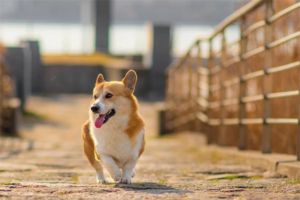
Do Dogs Actually Hate Their Owners?
Dogs rarely truly hate their owners; what looks like dislike is usually a response to neglect, coldness, or harsh scolding. A dog that is ignored, criticized, or treated roughly may act aloof, have accidents in the house, or even growl. Often it is simply expressing unmet emotional needs. Pay attention to your dog's feelings, build regular positive interaction, and remember that sudden unfriendliness can also signal pain or illness that warrants a veterinary check.

Why Dogs Have Bad Breath
The main cause of dog breath is simply a lack of timely, effective cleaning. Bacteria and tartar build on the teeth, yellow and smell, and lead to oral disease. You can brush - start young with gauze, then a dog toothbrush, using dog-only paste since dogs swallow foam and may upset their stomach. You can also offer dental chews and toys, or boil oxtail whose tendons massage and clean spots a brush misses. Carrots mixed with kibble help scrape stains too.
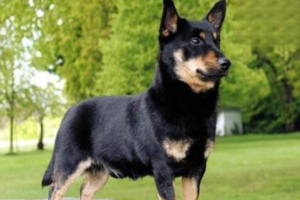
Body Parts You Shouldn’t Over-Wash on Your Dog
Dogs have spots that suffer from too much washing, ears, nose, anal glands, skin, and paws. Over-cleaning strips protective wax, mucus, oils, and the self-cleaning ability, raising infection and dryness risk, so clean gently and only as needed.
- « Previous
- 1
- 2
- 3
- 4
- Next »