Search Results
38 results for “where dogs like touched”

Pomeranian
The Pomeranian is a tiny, fox-faced spitz dog originally from Germany, known for its fluffy double coat and bold, lively personality. It makes an affectionate and entertaining companion.
How to pet a Spitz?
Most dogs like head scratches; use a kneading motion to massage the Spitz's head and boost circulation. The chin itches because it cannot reach it, so scratch there gently, and stroke the back along the fur from the front.
How to Care for a Senior Dog With Joint Problems
As dogs age, their joints wear down and daily movement becomes painful. You can ease the discomfort at home with five simple steps: manage weight, make the home slip-free, choose low-impact exercise, add joint supplements, and watch for early warning signs.
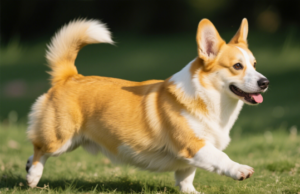
Are Corgis Prone to Patellar Luxation?
Corgis are indeed a high-risk breed for patellar luxation. Data from the Orthopedic Foundation for Animals (OFA) puts corgis in the top three among small breeds, with about 20%–30% developing some degree of the condition. The cause is twofold: a genetic mutation that leaves the trochlear groove too shallow to hold the kneecap, and a short-leg bone structure that angles the femur and tibia inward by 15°–20° more than usual, pushing the patella out of place. The problem is graded I–IV, from occasional skip-hopping to permanent dislocation. Mild cases are managed with joint supplements and limited exercise, while grades III–IV usually need surgery. Keeping the dog at a healthy weight and avoiding stairs and jumping are the best prevention.
Everyday Habits That Seriously Harm Your Dog’s Joints
Joint disease in dogs is on the rise, and beyond obesity many overlooked daily habits do real damage. Slippery floors force dogs to grip hard and risk falls; bad exercise — long runs, sharp stops, jumping from heights — wears joints down; frequent stairs overload the knees, especially in long-backed breeds like Corgis; standing on hind legs for attention strains the spine; and overfeeding accelerates cartilage loss, particularly in large breeds with hip-dysplasia risk. Cold, damp floors stiffen joints and worsen pain. Watch for early signs — stiffness after rest, reluctance to jump, hind-leg dragging, pain when touched — and support joints with glucosamine and chondroitin.

Why Does My Dog Urinate in the House?
When a normally clean adult dog urinates indoors while you are out, scolding and punishment aren't the only responses to consider—why is your adult dog doing this? Puppies peeing inside is just the cost of dog ownership, so we focus on adults. Occasional accidents are normal ('nature calls'), but frequent, repeated indoor urination deserves attention, because it brings urine odor and possibly other problems. Medical causes: urinary disease (often a UTI causing random urination, usually treatable with medication); incontinence (dribbling or peeing while sleeping points to incontinence, treatable early with medication; large-area urination suggests something worse—see a vet); senior dogs (canine cognitive dysfunction makes them forget where they are, causing accidents). If your dog is healthy and not old, the cause is behavioral: intact males may mark after sexual maturity—normal—but a dog that never peed inside suddenly doing so may be stressed by household changes (a new member, a departure, new smelly or noisy objects). To change it: don't yell—catching the act in the moment matters, not the old puddle; remove or relocate the trigger; and clean thoroughly with an enzymatic cleaner that fully removes the odor so the dog doesn't remark the spot.

Why Cats Refuse to Drink from Their Water Bowl
Cats naturally drink little because their desert ancestors avoided shared water sources, but chronic low intake raises the risk of urinary and kidney disease. Encouraging hydration through fountains, wet food, and flavored water makes a real difference.

Intervertebral Disc Disease (IVDD) in Pets: Symptoms and Severity
Intervertebral disc disease (IVDD) is a leading cause of back pain and paralysis in dogs — especially long-backed breeds like Dachshunds. Learn what causes it, how to spot the signs, and the five grades of severity vets use to assess the condition.
- « Previous
- 1
- 2
- 3
- 4