Search Results
110 results for “water hardness”
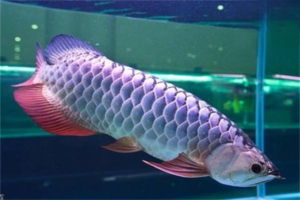
Symptoms and Treatment of Arowana Cloudy Eye by Stage
Arowana cloudy eye has three stages — early, middle, and late — each with distinct symptoms and its own best treatment. Early and middle stages respond to water changes, salt, and heat, while the late stage requires dedicated medication.
I have kept an old pignose turtle for over ten years; suddenly it has many bumps on its back and will not move or eat — how can I help it?
Bumps on a pignose turtle's back are likely shell rot or skin rot. Gently brush the shell with a soft toothbrush, disinfect wounds with peroxide or iodine, and apply erythromycin ointment. Keep the water at a constant 28 to 30 C and raise hardness to about 7.5 to 8 with fine substrate and beneficial bacteria; avoid leaving shrimp or meat in the water and feed veggies, fruit, and pellets.
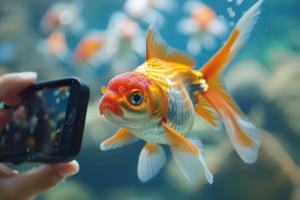
Key Things to Know When Keeping Silver Arowana
Silver arowana are easy and affordable starter fish, but good form needs care: a large tank, stable warm soft water, proper feeding, and 8-10 hours of light.
My puppy’s belly looks bigger but the abdomen is flat, with matted tail and hind-leg fur, hiding and whimpering
A swollen belly can mean pregnancy, ascites, parasites, bloat, gastric torsion, obstruction, or tumor. Feel for fluid versus hardness and get X-rays or ultrasound; if unavailable, treat symptoms supportively while watching closely.

Dwarf Hotot
The Dwarf Hotot, also called the Dwarf Panda Rabbit, is a small, lively pet rabbit with an all-white coat and distinctive black eye markings. Easy to keep like other pet rabbits, it needs a secure cage, daily grooming, and unlimited hay.

Blanc de Hotot Rabbit
The Blanc de Hotot Rabbit comes in large and dwarf forms, both pet breeds known for their pure white coat with black eye-rings and ears—like a panda. Gentle and cute, it needs regular grooming, nail trimming, and a dry, quiet home.

Arowana Lifespan and Why They Die Early
Wild arowana can live 30 years or more, but captive fish often die young at just 6 to 7 years because of weak breeding, over-emphasis on looks, poor water quality, and stress. Stable, well-filtered, slightly acidic water and a natural approach help them live longer.

Why Is My Dog’s Belly Hard?
A hard belly in dogs can mean constipation, indigestion, a foreign object, gas, or—with lethargy and breathing trouble—ascites or a tumor. Mild cases improve with probiotics, gentle massage, and exercise; serious signs need a vet.

How to Treat a Soft Turtle Shell
A soft turtle shell is usually caused by calcium or vitamin deficiency, lack of sunlight, or prolonged soaking. Correct it by adding calcium powder or small shrimp to the diet, supplementing vitamins, and giving the turtle regular sun exposure — but expect slow recovery of 4–6 months.
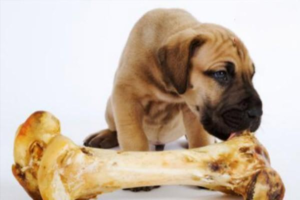
Should Dogs Eat Bones? How to Do It Safely
Vets often warn against bones because they are hard to digest and can block the gut, yet they also clean teeth, calm boredom, and add calcium. If you do give them, choose raw, large, non-hollow bones and avoid cooked poultry bones that splinter; cartilage, pressure-cooked bones, fish heads, necks, tails, frames, and pork fans are safer picks.