Search Results
110 results for “water hardness”

Common Aquarium Filter Media and How to Clean Them
A filter keeps water healthy, but its media need regular cleaning and replacement. Key media: filter floss (mechanical, top layer), bio-sponge and bio-balls (nitifying bacteria), ceramic/glass rings (anaerobic bacteria, large surface), activated carbon (chemical, replace monthly), coral sand (hardness), ammonia-removing stone, and live plants—each with its own care routine.

Arowana Care Guide
Arowana have many keepers, but they are delicate and timid, so good care is not easy. Here are some daily management tips that help keep arowana healthy.

Do Rabbits Have Periods? What Blood From the Genitals Means
Rabbits do not menstruate — they are induced ovulators that release eggs only after mating — so any genital bleeding is abnormal. It may be true hematuria (cystitis, kidney or reproductive disease) or simply red plant pigment in the urine; check for a metallic smell and see a vet if in doubt.
How long can aquarium plants live?
Aquarium plants live months to years depending on care. They need light, so install lighting; water temperature, pH and hardness also matter, so keep water good. Plant-eating fish will quickly eat them.
How often should a Frontosa cichlid be fed?
Captive Frontosa can be fed about once a week, mainly pellets with some animal food on a schedule. They need high water quality with pH above 7.5 and warmth.
How long should puppy kibble be soaked?
Soaking takes about 10-20 minutes depending on brand hardness; use 40-50C water to avoid nutrient loss. Control the water so it just covers the kibble; too little fails to soften, too much wastes nutrients.

What Fish Can Be Kept With Harlequin Rasboras?
Harlequin rasboras (Trigonostigma) are small, peaceful, schooling tropical fish that prefer pH 5–6.5, hardness 3–4 dH, and 23–28°C. Keep them with similar rasboras (neon, black neon), gentle small fish (zebra, platy, molly, guppy, swordtail, rummy-nose), and mid-bottom dwellers (panda loach, pygmy cory) — matching water, temperature, temperament, and size.

The Hidden Cost of Ignoring Your Dog’s Tartar
Tartar causes more than bad breath — it harbors bacteria that trigger gingivitis and periodontitis, erode the alveolar bone, and loosen teeth. Bacteria entering the bloodstream via gum wounds can cause sepsis, nephritis, or myocarditis, shortening a dog's life by 2–3 years. Treat with professional cleaning (and extraction if severe), and prevent daily with brushing, dental wipes/gel, and chews.

What Fish Can Be Kept With an Arowana?
Arowanas are large, aggressive, territorial fish, so tank mates should be other big, fast swimmers such as parrot cichlids, oscars, datnoids, and rays. Use a tank large enough for each fish's territory, match water parameters (pH, hardness, temperature), and similar diets to avoid conflict.
How to Enhance Your Arowana’s Color?
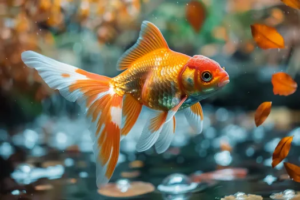
Arowanas are prized for their bold shape and vivid color, but sometimes the fish fade or never reach full brilliance. Color comes from pigments in the scales, so the fix is mostly environmental and dietary. Keep water clean and stable—regular changes, correct temperature, pH, and hardness—and avoid sudden swings that stress a red arowana and stall its coloring. Feed pigment-rich foods like small fish, shrimp, bloodworms, and earthworms, especially during the key coloring stage. Use moderate LED lighting and the right tank background (black suits red arowanas, in a dimmer setup), and balance swimming exercise with proper rest to support pigment production.