Search Results
862 results for “water changes”
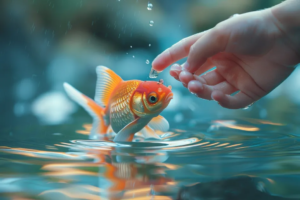
Which Cleaner Fish Can Be Kept with Goldfish?
There are many types of cleaner fish, and some differ greatly in size. If you want to keep cleaner fish with goldfish, choose based on the goldfish's size. For small goldfish, pick a small, gentle cleaner such as the moss mouse (Gyrinocheilus aymonieri) to avoid larger cleaners injuring them. For larger goldfish, many cleaners are compatible. However, goldfish pollute the water only lightly, so adding cleaner fish is not necessary; regular water changes and measured feeding to reduce leftovers usually keep the water clean.
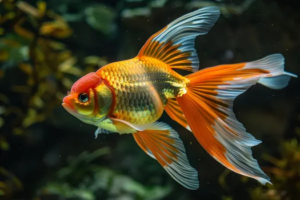
How to Improve the Survival Rate of Ornamental Fish
To raise survival, fishkeepers should feed reasonably, change water regularly, clean filter media, keep temperature suitable, and control stocking density. Match diet to the species, control amount and frequency; regular water changes and filter cleaning keep water quality. Keep temperature right and density appropriate for tank size. Before mixing species, learn which coexist to avoid losses.

Notes on Keeping Goldfish in Winter
Winter's low temperature slows goldfish metabolism and weakens immunity, so adjust diet and water changes. Reduce feeding amount and frequency and lower change frequency. Avoid adding new fish in winter. Watch their condition for early signs; manage diet and water changes to lower illness risk.

Why Do Arowana Get Sunken Eyes?
Arowana sunken eyes (eye recession) commonly come from internal organ inflammation, bacterial infection, or medication overdose. Treat by cause: antibiotics for internal inflammation, water changes and antibacterial baths for infection, and water changes plus warming for overdose. Keep water clean, warm, and oxygenated; mild cases recover in about a week.

Why Does a Goldfish Keep Opening and Closing Its Mouth?
Rapid mouth movement is an early hypoxia sign - oxygenate at once to avoid floating at the surface or death. Causes include poor water, overfeeding, and overcrowding. Prevent with an aerator, regular water changes, suitable density, some aquatic plants, and stable temperature.

Goldfish Care Before and After Spawning
Before spawning, prepare a disinfected separate breeding tank with plants or a spawning mop, and keep a male:female ratio of 2:3 or 2:4. After laying and fertilization, remove the parents and keep water at 15-20C to hatch in 3-7 days. Feed fry yolk 2-3 days after hatching; keep oxygen ample and avoid water changes.
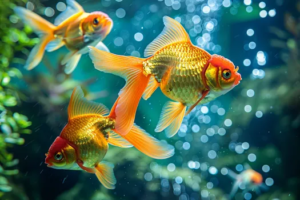
Why Is Your Goldfish Sitting at the Bottom of the Tank?
Goldfish sit at the bottom for many reasons — resting, stress from a new environment, low temperature, sudden water changes, or illness. If the fish perks up when the light brightens, it is just resting and needs no action. If poor water quality is the cause, change the water promptly; if it is sickness, treat the specific disease. Regular water care and stable temperatures prevent most cases.
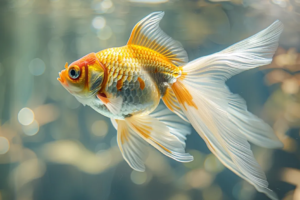
Signs Your Goldfish Is Overfed
Overfed goldfish may rub on the glass, swim tilted, sit on the bottom, or float belly-up, sometimes with white or yellow stool. Ease it with water changes, warmth, current, and oxygen to aid digestion. Overfeeding badly strains the gut and can cause inflammation, so feed small, frequent meals and control portions — usually 1-2 feeds daily, more in hot weather.
How do you keep parrot fish well?
Keeping parrot fish needs a right-sized tank at 25-30C and pH 6.5-7.5, weekly water changes of 1/5 to 1/3, and special feed fed 2-3 times daily.
I found it lying on its side for three or four days, occasionally moving its gills, still alive, not eating, mostly staying at the bottom
A comet goldfish sinking can have many causes: temperature, environment, water changes, disease. Sudden temp rise/fall makes it inactive and refuse food. Long-uncleaned tank water pollutes and causes these signs. Adjust temp/water, raise temp, add oxygen, see if it recovers.