Search Results
862 results for “water changes”
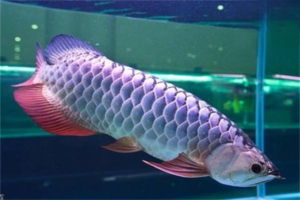
Symptoms and Treatment of Arowana Cloudy Eye by Stage
Arowana cloudy eye has three stages — early, middle, and late — each with distinct symptoms and its own best treatment. Early and middle stages respond to water changes, salt, and heat, while the late stage requires dedicated medication.
What to Do When Your Arowana Develops Cloudy Eye?
Arowana cloudy eye is most often triggered by poor water quality, but sudden water changes or a bacterial eye infection can also cause it. Catching it early means simple water changes may cure it; advanced cases need the classic three methods — water change, salt, and heat — or antibiotics.
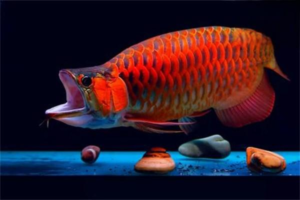
What Causes Arowana Cloudy Eye, and How Is It Treated?
Arowana cloudy eye is mainly caused by poor water quality and bacterial infection, with higher risk in summer and autumn. The white film over the eye is the tell-tale sign; early cases need only water changes, while middle and late stages require salt, heat, and medication.
Arowana Cloudy Eye: A Common Arowana Disease
Arowana cloudy eye is usually caused by poor water quality or an eye injury that lets bacteria in, and it progresses through four stages. Mild early cases often clear up with simple water changes, while advanced cases need salt, heat, and medication.
How can I adjust an aquarium’s pH?
Adjust pH by adding regulators like phosphoric acid or sodium hydroxide per test results, and replacing filter media in batches. For high acidity, add coral sand gradually; regular water changes also help.
How Can I Raise a Turtle Well?
Basics: provide a suitable tank with filter, heater, lighting for stable water, temperature, and light; add a basking platform. Feed age-appropriate food (small fish, shrimp, vegetables, fruit, dried food), control portions to avoid obesity. Regular water changes and tank cleaning to protect health.
Why does my goldfish have white stool?
White stool causes: sudden temp change, overfeeding, poor diet, big/poor water changes, oppressive environment. Big temp drop → indigestion → white stool. Irregular feeding → indigestion. Manage water quality, keep temp/water suitable, feed reasonably.
What are cherry barbs like?
The cherry barb is a gentle ornamental fish mainly found in Sri Lanka. Adults are usually only 10-12 cm long, with red or yellow bodies marked by black spots. They need clean, stable water with a pH of 6.5-7.5 and a temperature of 24-28 C, plus regular water changes to keep conditions stable. They feed on small fish and plankton, so you can offer live food or freeze-dried fish flakes. Because they like to dart and jump, they need a somewhat larger tank, ideally with a cover to prevent them from leaping out.

How to Care for Pet Turtles: Husbandry and Key Precautions
Good turtle care means a clean, quiet tank with the right water level and quality, a varied diet timed to the turtle's age, and routine disease prevention. Add sunlight, a safe winter dormancy, and careful water changes to keep your turtle healthy and long-lived.
Why won’t my Oscar fish (map fish) eat?
Map fish may stop eating from big environment changes, fright, poor water, or illness. After a move or new environment they usually fast, then resume once adjusted. Fright from tapping the tank or rough water changes also suppresses appetite; wrong water temperature or discomfort lowers it too.