Search Results
862 results for “water changes”
Is the flame turtle a deep-water turtle?
The flame turtle is not a deep-water turtle, but it adapts well and can be kept in deep water if a basking platform is provided. Shallow water is better for health and growth. As a freshwater turtle it needs weekly water changes of one-third to one-half, with new water dechlorinated first.
How often should you change a fish tank’s water?
Change fish tank water about once a week, or every 3 to 5 days in hot summer months when waste builds up faster. In winter, every two weeks is enough. Always keep two-thirds of the old water and match the new water's temperature within 2 degrees C.
What Water Temperature Is Best for Snapping Turtles?
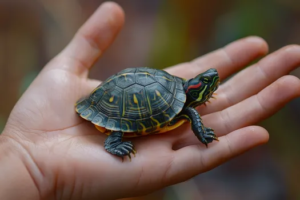
Snapping turtles tolerate water from 3 to 45 degrees Celsius, but thrive best between 20 and 30 degrees. Below 18 degrees they stop eating, and below 15 degrees they enter hibernation. Above 30 degrees they may become overactive and suffer dysfunction, with signs like poor appetite and breathing difficulty. Keep the water within a comfortable range and change it regularly, replacing about one quarter to one third each time, to keep quality and temperature stable and support healthy growth.
Can I use tap water left standing overnight for my fish tank?
Tap water left out for only one night is still not safe for fish because the chlorine has not fully dissipated. Proper preparation takes at least three days of standing or a full day of sunlight.
Which Deep-Water Turtles Are Budget-Friendly?
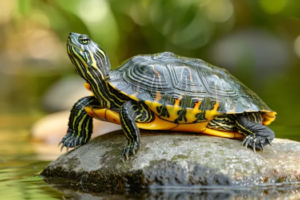
The musk turtle is the most affordable deep-water species because it breeds readily and is widely available, and it is also easy to keep, adaptable, and tolerant of average water quality. Even though it lives in deep water, it still needs a basking spot, so add a platform and let it sun for about two to three hours a day to aid digestion and calcium absorption. With stable warm water, clean conditions, and proper food, a musk turtle is an excellent low-cost choice for new keepers.
White Fuzz on Your Turtle’s Neck: Shedding or Water Mold?
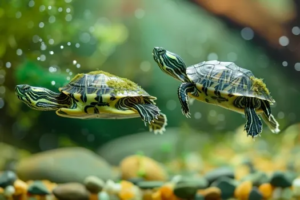
White fuzz on a turtle can be normal shedding or a sign of water mold disease. If the fuzz has a clear texture with no soft rot, it is likely shedding—just give more sunlight. If fuzz appears on multiple areas and looks rotting, it is probably water mold and the turtle should be isolated and treated. The root cause is usually overcrowding and polluted water; prevent it with good nutrition, wound care, and regular water changes.

Treating and Preventing Turtle Water Mold Disease
Poor water quality from leftover food and waste is the root cause of turtle water mold, usually from poor management. Treatment uses antifungal medication—povidone-iodine applied topically, diluted soaks, gentle brushing, or in severe cases miconazole ointment with dry-docking—always keeping the environment at 28–32°C. Prevention means sunlight, prompt cleanup of food waste, regular water changes, and isolating sick turtles. Do not confuse water mold with normal shedding.
What is the best water temperature for ranchu goldfish?
Ranchu goldfish do best at 23-28 C with careful, frequent water changes. Here is the care detail.

Can a Blood Parrot Cichlid Floating Upside Down Be Saved?
A blood parrot cichlid floating belly-up is a medical emergency, but it can often be saved if you act fast. The usual causes are oxygen deprivation, a digestive blockage, or swim bladder disorder — treat with immediate water changes and aeration, a brief fast at warmer water (around 30°C), or shallow-water therapy for bladder trouble.

What to Do If an Arowana Is Stressed
An arowana that is frightened should be left in a quiet, stable tank with feeding stopped and gentle support — a slight temperature rise, a little aquarium salt, and small water changes — until it relaxes. Stress comes from new surroundings, tank-mate fights, or sudden shifts in temperature or water quality, and it can slide into illness or death, so keep the tank calm, the temperature swing under 2°C, and remove anything that spooks the fish.