Search Results
862 results for “water changes”

What to Do When a Rabbit Gets Hyper at Night
A rabbit that turns energetic at night can have many reasons: too little daytime activity, changes in the evening environment, or physical discomfort. To burn off energy, give it enough stimulation during the day. Also check diet and health regularly to rule out digestion trouble or pain, and offer a cozy hiding spot like a box to help it relax and sleep. If night excitement persists, too much noise or light may be the cause, so place the cage in a quieter area with fewer stimuli.

How to Prevent Gastric Ulcers in Dogs
A gastric ulcer in dogs is a chronic sore between the cardia and pylorus that can penetrate the full thickness of the stomach lining, and most cases trace back to serious illness such as kidney failure or tumors. They arise from stress, drug side effects (especially NSAIDs and steroids, with ibuprofen especially dangerous), excess acid, poor feeding, or toxins and other diseases. Signs include vomit that looks like coffee grounds, belly pain, weight loss, and black tarry stools. Diagnosis uses blood work, X-ray, ultrasound, and endoscopy, and treatment targets the cause while curbing acid with antacids and acid blockers.

Feeding Schedule for Kittens Under Six Months
Good kitten nutrition is about more than food; it is a routine of fixed meals, light training, and play. Keeping a predictable daily schedule helps you monitor whether a kitten is eating normally and builds healthy habits early. This guide lays out how to choose the right food, portion it across breakfast, afternoon, and dinner, and use small training sessions to raise a well-adjusted kitten.

How High Blood Pressure Affects Dogs
High blood pressure harms a dog's eyes, heart, kidneys, and nervous system. It can cause retinal damage and vision loss, heart enlargement and failure, kidney failure, and stroke or paralysis. Owners should watch for signs and see a veterinarian, who may measure blood pressure and suggest a low-salt, low-fat diet or medication. Risk rises with obesity, age, genetics, diabetes, thyroid or kidney disease, and stress. Prevention includes regular checkups, a healthy weight, calm surroundings, and daily exercise.

How to Help a Rabbit Adjust to a New Home
Rabbits are sensitive, so moving to a new home can make them tense and unsettled. Before the move, prepare a warm, safe enclosure and place the rabbit's own toys, blanket, bedding, and water bowl there so it recognizes familiar scents. Once home, let the rabbit settle in with minimal noise and disturbance, then gradually introduce new people, sounds, and smells, starting with family members and widening the circle. Keep feeding and routines consistent, since stable daily life builds a sense of safety and trust. Patience, not speed, is what helps a rabbit feel at home.
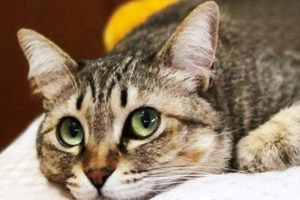
5 Tips for Keeping a Senior Cat Healthy
Five tips for senior cats: twice-yearly exams to catch teeth, arthritis, heart, and kidney issues; watch behavior like appetite, litter, and sleep changes; ease daily life with ramps, non-slip mats, and low-sided litter boxes; switch to senior food to control weight; and give soft, warm, safe bedding, guarding wires from chewing.

Preventing and Treating Cat Chin Acne
Black chin, or feline acne, is folliculitis like human acne, showing as coal-like specks on the chin and tail. Causes include too much dietary fat, heat-cycle hormone shifts, poor cleaning, and oily skin type. Mild cases clean with salt or green-tea water and antibiotic ointment; severe tail cases use diluted sulfur soap. Pet antiseptic wash also helps.
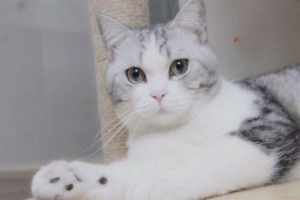
Cat Stress Reactions and How to Ease Them
Stress is the most common feline behavior problem and a driver of many diseases. Triggers include new homes, vet or grooming visits, noise, household changes, and resource competition in multi-cat homes. Signs range from acute fear to chronic hiding, over-grooming, and aggression. Ease stress with a calm space, play, pheromones, and a vet check.

Your Dog’s Urinary Tract Troubles
Lifting a leg to mark is normal, but uncontrolled dribbling or frequent tiny urinations may mean urinary stones or infection. Watch for pain, abnormal or discolored urine, incontinence, and odor. Care includes vet urine tests, more water, more walks, diet changes for stones, and never self-medicating.

What Are the Symptoms of Kidney Disease in Dogs?
Kidney disease comes in two forms, acute and chronic, and kidney tissue cannot regenerate. Once damage is done it is permanent, and signs appear only after two-thirds to three-quarters of kidney function is lost. Early warning signs include changes in urination, increased thirst, lethargy, poor appetite, and digestive upset. Late-stage failure brings severe, unmistakable symptoms. Recognizing these signs early gives your dog the best chance at management and comfort.