Search Results
862 results for “water changes”
How to Care for a Dog with a Sensitive Stomach
A weak gut hurts more than digestion—it drags down nutrient uptake and immunity. Causes range from sudden diet changes and parasites to infection, chronic gut disease, and stress. The fix is a gentle, single-source diet on a fixed schedule, a careful transition to new food, light toppers like pumpkin or boiled chicken, and pet probiotics. Keep the belly warm and add gentle exercise; see a vet for persistent vomiting, blood, or lethargy.

Why Is Your Calm Dog Suddenly Barking So Much?
A dog that suddenly won't stop barking is communicating something. The cause may be physical pain, psychological stress like separation anxiety, or unmet needs for food, attention, or exercise. Rule out illness first—limping, vomiting, or appetite loss mean a vet visit—then ease anxiety with gradual alone-time training, a quiet safe corner, and reward-based calm. Patience beats punishment, which only makes it worse.
Signs Your Dog Is About to Give Birth: A First-Time Whelper’s Guide
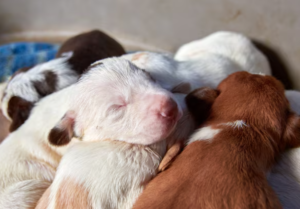
A dog's pregnancy runs about 58–63 days, and the final week brings clear signals that labor is near. One to two weeks out she nests and eats less; 24–48 hours before, her rectal temperature drops 1–2°C and the vulva softens; within hours she grows restless, stops eating, and begins contractions. Preparing a quiet whelping box, supplies, and a vet's number ahead of time keeps the process safe—and knowing the signs of dystocia can save lives.

Why Is Your Dog Suddenly Drooling a Lot? 4 Causes to Watch
Dogs pant to cool off, so some drool on a hot day is normal. But sudden, heavy salivation in normal temperatures can signal trouble. The causes worth flagging are oral disease, poisoning, heatstroke, and neurological problems, with severe kidney or liver disease and even rabies as grave possibilities. Teething, car sickness, or excitement explain milder cases. When drooling pairs with collapsing, seizures, or suspected toxin exposure, head to the vet at once.

How to Ease Acid Reflux in Dogs
If your dog dry-heaves after meals or brings up white foam or yellow fluid with foul breath, it may not be simple stomach upset—it could be acid reflux, or GERD. The stomach's lower valve relaxes and lets acid creep up the esophagus, which can inflame and even ulcerate over time. Diet changes, vet-guided medication, and a few lifestyle tweaks usually bring real relief.

How Deadly Is Canine Parvovirus? It Comes Down to Three Factors
Canine parvovirus is a highly contagious disease that can kill, but the outcome is far from fixed. Survival depends largely on the virus strain, the dog's age and immune status, and how quickly treatment begins. While reported mortality ranges from around 10% to 80%, prompt veterinary care can push survival above 70%. Understanding the risk factors and acting fast makes the single biggest difference for a sick dog.

Early Signs of Rabies in Dogs—Catch It Early
Rabies is close to 100% fatal and dogs are the main source, so early recognition saves lives. The first 1–3 days—the prodrome—bring a personality flip, aimless pacing, trouble swallowing and drooling, a changed voice, and fear of light and sound. If you see these, especially after a recent bite or scratch, isolate the dog, call your health authority and a vet for at-home assessment, and get any exposed people vaccinated at once. Prevention is vaccination, leashing, and prompt wound care.

Does a Boarded Cat Feel Abandoned?
Cats don't grasp the abstract idea of being 'abandoned,' but they do form a secure attachment through daily life with you. Away from familiar smells, routine, and you, they can lose their sense of safety and stress out. Not every cat reacts this way—outgoing, well-socialized ones may settle in a day or three. Familiar items and a slow reintroduction at home make boarding far easier on them.

Why Does My Silver Shaded Cat Shed So Much?
The silver shaded is a British Shorthair with a dense double coat, so it simply has far more hair to lose than a single-coated cat—earning its 'walking dandelion' reputation. Shedding doubles in the spring and autumn molts and during the kitten-to-adult and spay/neuter hormone shifts. Daily brushing, infrequent baths, and good nutrition manage it; patchy or symmetric loss with skin changes means a vet visit.
Why Koi Lose Their Color and How to Restore It
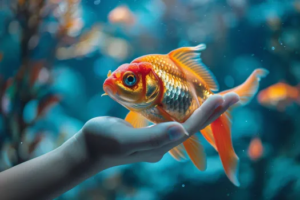
Koi sometimes fade after purchase because some sellers feed color-enhancing diets that wash out once the fish eats normal food at home. Color also shifts with water quality, temperature, stress and poor nutrition. Buy from a trusted aquarium shop, feed on a fixed quality, amount, time and place, and keep water clean with low nitrates and stable pH. For red fish aim pH 7.0 to 7.2 with natural carotene foods; for black markings keep pH below 7.2, cooler water and harder, well-lit conditions.