Search Results
862 results for “water changes”
Choosing the Best Dog Food for Senior Dogs (Age 7+)
Once a dog turns seven, its metabolism slows, digestion weakens, and organs such as the kidneys, heart, and liver begin to decline — so the right senior dog food matters more than ever. Look for a formula with at least 25% crude protein (30%+ is better), fat held between 8% and 15%, fiber under 9%, starch no higher than 32%, salt under 2%, and a calcium-to-phosphorus ratio of 1:1 to 2:1. Bonus nutrients like glucosamine, fish oil, and probiotics support aging joints, brains, and guts. Prefer wet food for dogs with poor teeth, transition gradually over seven days, and feed smaller meals. For dogs with heart, kidney, or diabetic conditions, a vet-guided prescription diet is safest.
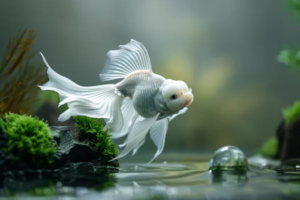
How to Get a New Silver Arowana to Start Eating
The silver arowana is a premium tropical fish that needs patience; a new fish should rest and adjust before it feeds. Keep the water clean and stable, hold the temperature at 25 to 28 degrees Celsius with a heater, and offer high-protein food such as fresh fish or quality pellets while watching which it prefers. Give a quiet, calm environment with minimal disturbance, and if it refuses food for a long time, a little aquarium salt can curb bacteria and fungi and spark appetite.

How Long Does a Hamster Cold Last?
A hamster cold usually lasts about three to five days, but the exact time depends on the individual, how severe the illness is, and the treatment given. Mild cases can recover in one to two days, while severe ones take longer. Signs resemble human colds: sneezing, runny nose, coughing, and reduced appetite, with the hamster becoming quiet and inactive. Keep the animal warm and hydrated and see a veterinarian promptly for proper care.
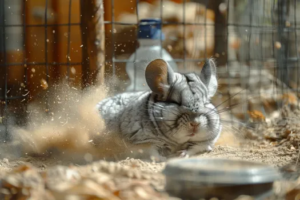
What to Do When a Hamster Is Restless and Wants Out
Hamsters are active, curious animals that like to explore, so constant restlessness often means their environment is not stimulating enough. Give the hamster plenty of space with obstacles, ladders, and toys to climb and play, ensure steady food and water so it is never hungry or thirsty, and keep a quiet, cozy sleeping area for daytime rest. Regular gentle interaction builds trust and helps the animal feel safe.

Signs a Hamster Is Stressed or Scared
Hamsters are sensitive, fragile animals that may feel stress from changes in environment, food, or noise. When frightened they may go tense, tremble, raise their tail, and bristle their fur; they try to hide or curl up, may shake or circle, and can bite the cage, scream, or bite people. Move the cage to a safe, calm place away from noise and light, add hides and toys, and never force contact while the hamster is frightened.

What Is Canine Botulism
Canine botulism is an acute, often fatal poisoning that occurs when a dog eats the toxin produced by Clostridium botulinum - usually in rotting carcasses or contaminated food and water. It mostly strikes in summer, with signs appearing just hours later. The classic picture is a progressive, symmetrical paralysis that creeps from the hind legs forward while the dog stays alert with a normal temperature; severe cases end in breathing failure. Diagnosis depends on finding the toxin in food, tissue, or blood, and treatment combines antitoxin with washing out the gut. The simplest defense is never feeding spoiled meat and boiling feed before use.

What Pet Owners Should Know About Rabies
Rabies is a viral disease that infects dogs, cats, and people, and because a rabid dog can harm humans, it demands serious attention. The virus travels along nerves to the brain after a bite, and once signs appear the outcome is almost always fatal. Prevention through vaccination and prompt wound care is the only real defense.

Why Dogs Get Diarrhea and What to Do
Most dog diarrhea comes from feeding mistakes, not a fragile gut. Overfeeding (dogs eat to bursting - feed set amounts, about 80% full), eating too fast (use a slow bowl; short-necked breeds that cough should be checked), post-meal running (walk gently after 30 minutes), and irregular meals (split into 2-3 feeds) all trigger it. Food issues: the wrong main kibble, a gut that prefers meat, or lacking fiber from a little veg. Stress - bad food transitions, frights, new places, vet visits - also causes it; switch gradually to a similar formula. What to feed: probiotics for transition/stress diarrhea, digestion tablets for overeating, B vitamins for gut health. Stop hard-to-digest food, fast one day if severe (keep water), and never soy or corn. Black stool = upper bleed, red = lower bleed, rice-like particles = worms - bring a sample to the vet.

Why Is My Dog Suddenly Restless or Agitated?
A dog that suddenly becomes restless—unable to settle, chewing furniture, or barking nonstop—is a common problem with many possible causes. Physical issues such as pain, illness, or hormonal changes, environmental triggers like strangers, new smells, noise, or flashing lights, unmet needs such as lack of exercise or poor diet, and emotional troubles including separation anxiety, phobias, or depression can all spark agitation. Start by checking your dog's body for fever, rapid breathing, or other warning signs. If the dog is physically healthy, adjust diet and environment or seek veterinary advice. Understanding the cause is the first step to calming your companion.

Medicines for Pet Diarrhea and Soft Stools
A common myth is that probiotics fix diarrhea; they help soft stools but work weakly against true diarrhea. For active diarrhea, an anti-diarrheal liquid paired with live probiotics works best, with clear dosing by weight. This guide also covers when to stop, how to feed during recovery, and when a prescription diet is the answer.