Search Results
862 results for “water changes”
How Long Does It Take to Cure a Parrot Fish’s Enteritis?
A parrot fish's enteritis generally cures in 3 to 7 days, depending on cause and severity. Common causes include bacterial infection, parasites, water changes, and indigestion.
How often should a betta (Siamese fighting fish) tank be changed?
Betta water changes run every 3-7 days - 1-2 weeks with a filter, 3-4 days without. Always sun-treat tap water first to remove chlorine.

How Often to Feed Turtles in Summer
In hot summer a turtle's metabolism speeds up and its appetite grows, so you can feed a bit more to build reserves. Hatchlings under 5 cm should be fed daily, larger turtles every other day, and feeding should avoid the strong midday sun. Good summer care also means shade plants, checking food for spoilage, balanced nutrition, and frequent water changes to prevent shell rot.

Daily Management of a Goldfish Aquarium
Even with an automated tank, daily goldfish management matters—watch activity and respond to environment and health changes. This guide covers tank placement, setup, stocking density, feeding and water changes.

Why Do Aquarium Fish Fight — and How to Stop It
Fish fight because of naturally aggressive breeds (bettas, piranhas, arowanas, flowerhorns), overcrowding, breeding rivalry, bad water (temp/pH swings), food competition, or wrong mixing. Prevent with isolation for bullies, hiding spots, lower density, careful water changes, enough food, and balanced sex ratios; treat injuries with warm clean water and an antibiotic or salt bath.

How to Prevent Swim Bladder Disease in Ornamental Fish
Swim bladder disease is common in ornamental fish; prevent it by controlling temperature and water quality. Many cases follow water changes with big temperature gaps — keep new and old water within about 2°C. If a fish loses buoyancy, isolate it in shallow water with a little salt, feed less, and if needed add a buoyancy aid.

Best Goldfish Breeds for Beginners
Good beginner goldfish include comet, ryukin, black moor (dragon-eye), Thai lionhead, Chinese lionhead, and tigerhead — all vigorous and easy to keep, ideal for practice. Keeping them alive is easy; keeping them well takes effort: regular water changes, prompt cleanup of waste and leftover food, good water quality, and feeding to 70–80% full to avoid digestive upset.

Why Is Your Fish Refusing Food? Causes and Fixes
Fish refuse food for many reasons: poor water quality, overfeeding/indigestion, illness (ich, enteritis), natural fasting, food boredom, sudden environmental change, or loneliness after losing tankmates. Fixes range from water changes and fasting to treating disease and restoring the school.
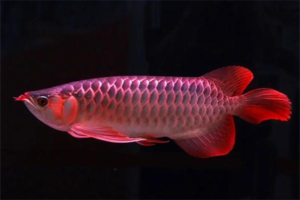
Why Arowana Get Pinecone Disease (Raised Scales) and How to Treat It
Pinecone disease (also called raised or loose scales) is common in arowana. It can be triggered by large temperature swings, poor water quality, or internal infections such as enteritis and ascites. Mild cases often respond to the 'old three methods' — raise temperature, add salt, and partial water changes — while severe cases need antibiotics.

What to Do When a Blood Parrot Fish Loses Its Red Color?
A blood parrot cichlid that loses its red color is usually responding to insufficient light, poor water quality, temperature stress, or an unbalanced diet. Restore vivid color by keeping the pH at 6.5–7.0, doing regular water changes, feeding color-enhancing food rich in astaxanthin and carotene, providing 2–3 hours of daily light, and holding the temperature near 28°C with swings under 2°C.