Search Results
862 results for “water changes”

Why Is My Parrot Fish’s Belly Swollen?
A swollen parrot-fish belly means overfeeding and indigestion, pregnancy, or gut disease. Stop feeding and medicate for indigestion, ease water changes during pregnancy, and use norfloxacin or a stronger mix for enteritis - but find the cause first.
What aquarium creature eats fish poop?
Mystery snails, onion snails, plecos, corydoras eat fish waste. But snails defecate too, so relying on them is unrealistic; use filters and regular water changes. Plecos/corydoras are cleaner fish eating leftovers, debris, algae, helping slow pollution.

What Causes an Arowana to Lie on the Tank Bottom?
Arowana are very sensitive to environment and water changes; noise or big changes inside or outside the tank can cause lying low, as can big water changes or large pH or temperature swings. Our veterinarian details the causes.

Causes and Treatment of Sunken Eyes in Arowana
Sunken eyes in arowana can come from organ inflammation, bacterial infection, or drug overdose. Use antibiotics, medicated baths, or water changes depending on the cause.

White Film Over an Arowana’s Eye
A white film over an arowana's eye calls for quick water changes. The 'old three' method fixes mild cases; bacterial film needs fish-specific antibiotics.

Why Is My Parrot Fish Turning Black?
A parrot fish turns black from fright (stress), sudden environment or water changes, or genes (some carry black-spotted ancestry that fades with age). Rule out wounds with poor water that invite fungus; keep water stable at 25-28 C, pH 6.5-7.0.
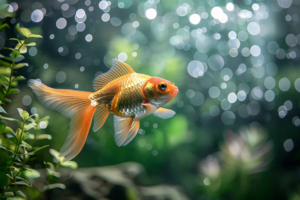
How to Care for Silver Arowana
Silver arowana eat a varied carnivorous diet and need a large tank, filtration, and regular water changes. Here is a stage-by-stage feeding and care guide.

What to Do When a Blood Parrot Fish’s Fins Rot
Fin rot in blood parrot fish is usually caused by poor water quality or injuries from fighting. Here is how to treat it with water changes, medication, and isolation.

How to Get a Parrot Fish to Develop a Nuchal Hump
A parrot fish develops its characteristic head hump only with the right genes plus stable warm water (around 26 C), clean frequent water changes, ample oxygen, and protein-rich or dedicated hump-growth feed.

Common Factors That Make Arowana Sick
An arowana's health is closely tied to how it is kept. Poor feeding, fright, bad water changes, fighting, external infection, and overall poor water quality are the main triggers of illness. The single most important preventive measure is stable, clean water—use a filter and change water on a schedule.