Search Results
862 results for “water changes”
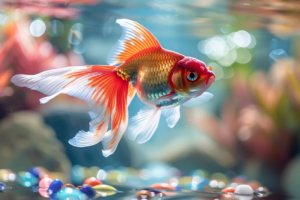
How to Treat Popeye in Blood Parrot Fish?
Popeye (exophthalmia) in blood parrot fish is most often caused by poor water quality and infrequent water changes, though injury or malnutrition can also contribute. Treat by isolating the fish, raising the temperature to 28–30°C, adding aquarium salt, doing daily partial water changes of about a quarter, and applying erythromycin eye ointment — with penicillin, chlortetracycline, or a dilute potassium permanganate rinse for severe cases.
How long does it take for a tiger fish to grow?
Tiger fish grow relatively slowly, taking about a year to grow from 10 cm to 20 cm, and usually reach maturity around 1 to 2 years after birth. They are carnivorous and prefer live prey such as small fish, shrimp and loaches, though they can learn to accept artificial feed. Regular water changes and aquatic plants help keep the water clean and oxygen-rich.
How do I care for a Pearl Monkey (Luohan) cichlid?
The Pearl Monkey Luohan likes warm water, 28-30C, and is sensitive to temperature swings, so keep the change under 2C when water changes; change 1/3 every 1-2 weeks. It eats brine shrimp, small fish, bloodworms, shrimp, and tubifex - not picky, but feed small and often, not to fullness. It needs ~10h light daily, ~4h lit.
How long do gourami fish live?
Gourami live about 3 years. Lifespan depends on environment; they like warm water around 26-27 degrees C and need regular water changes for stable quality. Feed fish food plus some live prey for balanced nutrition.
How do you keep a Luo Han fish (flowerhorn) well?
Feed live foods like brine shrimp, bloodworms, and mealworms as supplements, with artificial feed as the staple. Keep water temperature around 28C and maintain pH 6.0-7.8 with regular water changes.
What happens when goldfish are stressed?
Stressed goldfish become lethargic, eat less, breathe fast, and hide in corners; severe or long stress adds excess mucus and can kill fry. After stress, let them rest quietly without water changes or feeding, with soft stable light.
How to Adjust Your Aquarium’s pH
Different fish prefer different pH, but most thrive at 6.5–8.5. To lower pH, add Indian almond leaves (they release acids slowly). To raise it, add coral sand (it releases OH⁻ ions). You can also use commercial pH adjusters — phosphoric-acid type to lower, baking soda to raise — and keep pH stable with regular water changes and sensible stocking.
Are aquarium UV sterilizer lights actually useful?
UV sterilizers kill bacteria and curb algae, but should not run constantly as they also harm beneficial bacteria and the tank ecosystem. Use 2-3 times weekly, or rely on water changes instead.
Is the Ranchu goldfish easy to keep?
Ranchu goldfish are reasonably easy: use dechlorinated, stable water around 23 to 27 C, feed small frequent meals, and give indirect light. Regular partial water changes keep them healthy.

Why Is My Goldfish Lying on the Bottom of the Tank in Winter?
A goldfish resting on the tank bottom in winter is usually caused by low water temperature, poor water quality, or illness. Cold water slows the fish's metabolism so it conserves energy at the bottom—raise the temperature to 18–25°C with a heater. Dirty water should be refreshed and kept at pH 6.5–7.5, while disease (enteritis, temperature shock, bacterial infection) needs prompt isolation and a 1% salt bath. Regular water changes and added aeration further prevent the problem.