Search Results
943 results for “water bath”

How to Support a Cat with a Sensitive Stomach
Some cats have notoriously delicate digestions—the so-called glass stomach—prone to soft stools, diarrhea, and vomiting. The key to managing it is diet. Choose a limited-ingredient, single-protein hypoallergenic food, feed small meals several times a day, and always transition new food over seven days. Pet-specific probiotics (mixed into water below 40°C so the live cultures survive) help rebalance gut flora, while a calm, low-stress home prevents flare-ups. If symptoms persist or worsen, a vet check and possibly a prescription gastrointestinal diet are the right next steps.
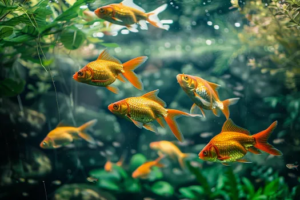
Why Do Ornamental Fish Gasp with Their Mouths Open?
Fish that gasp openly usually signal low dissolved oxygen, a sharp temperature change, or gill disease. Gasping is a self-regulating response to environmental stress. Boost aeration, stabilize temperature, and treat gill infections with salt and warmer water. Keep the tank clean, well-oxygenated, and at a stable temperature.

How Important Is Keeping Your Dog Warm in Winter
Puppies, sick dogs, seniors, and pregnant or nursing dogs need extra warmth; other dogs are not very cold-sensitive while active, but in cold regions you must still insulate the dog house, bed, and crate. Cold weather also cuts appetite for clear reasons: less exercise slows digestion and causes food to sit; shorter walks lower calorie need; colds and flu suppress appetite; and cold or frozen food and water cause diarrhea. Protect your dog by expanding indoor space when walks are impractical, dressing puppies or dogs in cold spots, serving warmed food and water (never cold), avoiding overfeeding, drying the coat fully after baths, and walking at the warmest midday hours. New winter dog owners should be especially careful with warmth, clean bedding, and not overfeeding sleepy puppies.

What to Do When Your Dog Has a Cold and Cough
Caring for a dog is like raising a child - feeding, shelter, and sickness all fall to you, and the common cold is near the top of the list. A dog with a cold looks defeated: ears down, eyes shut, motionless in the bed, with a rising temperature (adult dogs run below 39.2C, puppies 38-39C; above 39C means fever). It also coughs, has a runny nose, red conjunctiva, poor appetite, and shivers from the cold. Do not bathe a sick or coughing puppy - bathing strips a protective layer and lowers immunity. Keep the sleeping area warm with a blanket or hot-water bottle, dress the dog for walks, and keep the bed out of drafts. For the cough and runny nose, a half-packet of children's cold granules three times a day for about a week helps; dog-specific supplements are an option too. Feed nutritious food like beef and vegetables to build resistance, and catch illness early.
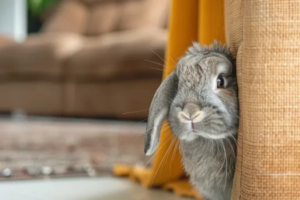
Essential Tips for Raising a Rabbit
Raising a rabbit is easy, but raising one well takes commitment. The essentials: always provide clean (never tap) water, make hay the staple with age-appropriate pellets and veggies as supplements, allow daily exercise and litter training, keep the habitat clean, rabbit-proof hazards, and skip frequent baths. A balanced diet and clean home are the foundation of rabbit health.

Common Diseases of Ornamental Fish
Scale loss, fin rot, fin congestion, saprolegniasis (cotton fungus), and cloudy eye are common ornamental fish diseases. Even careful keepers can't fully prevent them, so observe fish daily for early signs. Most sick fish show reduced appetite and activity; act on these promptly. Keep water clean, since fouled water easily causes illness.

Why Is My Ornamental Fish’s Tail Splitting (Forked)?
Poor water quality, impact or bites, and bacterial infection are common causes of a split tail; treat based on the cause. If from poor water, change water promptly and keep it clean—the tail slowly recovers. If from fighting, isolate the fish and adjust density/mixing. If infected, use medicated baths.

How to Remove Strong Dog Odor from Your Home
Dog body odor, waste smell, and unwashed supplies cause home odor. Bathe and groom the dog regularly; clean and disinfect its belongings; ventilate; clear shed hair; train outdoor toileting. If accidents happen indoors, use apple cider vinegar or baking soda after cleaning.
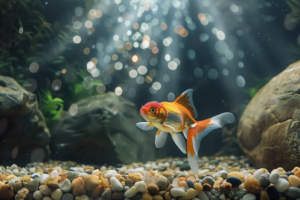
Why Do Goldfish Get Cloudy Eye (Moon Eye Disease)?
Cloudy eye in goldfish is mainly from bacteria or parasites, but the root cause is poor water quality—bad water lets pathogens breed, lowering resistance so they invade. Prevent by clearing waste and changing water regularly. Early signs are a white film on the eye, treatable with the 'old three methods'; if the eye turns clearly cloudy, add chlortetracycline or penicillin. Treat early.

Common Goldfish Diseases and Their Prevention
Common goldfish diseases include white spot (ich), cloudy eye, saprolegniasis, enteritis, fin/tail rot, and dropsy (pinecone disease). Learn these to prevent and lower illness risk. Water quality is the main health factor—keep it clean with regular changes and cleared waste to avoid bacterial growth and infection. Keep temperature steady and oxygen sufficient.