Search Results
943 results for “water bath”

What Are the Signs of Goldfish Indigestion?
Indigestion shows as reduced appetite, less waste, sluggishness, and stringy feces; severe cases add slow movement and poor defecation. Early on, fasting and warmer water usually fix it fast. For worse cases, add medication (digestive tablets, probiotics) alongside fasting, oxygen, water change, and warmth. Feed on a schedule to prevent it.
Why Is My Hamster Losing Fur on Its Belly, and What Helps?
Belly fur loss in hamsters is usually caused by a skin condition from a fungal, bacterial, or parasitic infection, but poor nutrition or abrasive bedding can also be to blame. This article covers the common causes and the practical steps and treatments to help the fur grow back.

What Do Pet Rabbits Eat, and What Equipment Do You Need?
Rabbits eat mainly rabbit pellets, alfalfa, and timothy hay, and must always have water. You'll need a cage, ball-tip bottle, food bowl, hay rack, and litter box, plus pads, deodorizer, and chew toys. This article gives a simple guide to rabbit care.

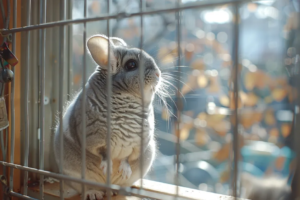
Things to Know When Caring for a Chinchilla
Chinchillas have dense fur and hate heat; around 20°C (68°F) is their comfort zone, so owners must manage both warming and cooling. This article covers the key husbandry points—environment, cage, and diet—for keeping a chinchilla healthy.

Supplies You Need to Care for a Chinchilla
A good home and the right gear are essential for keeping a chinchilla healthy. This article lists the items you'll need—cage, nest box, dust bath, feeder, water bottle, exercise wheel, bedding, and food—so new owners know what to prepare.

Why Does Your Koi Have White Spots, and How to Treat Them?
White spots on koi usually mean ich (white spot disease), poor water, or fight wounds. Raise temperature, salt-bath, clean the tank, or isolate and disinfect injured fish—act fast, as ich kills within days.

Why Is My Winter White Hamster Turning White?
Winter Whites naturally turn white—they're literally 'winter whites' whose coat lightens with shorter daylight, a harmless genetic trait. Rule out skin disease with baths, a low-salt diet, and good cage hygiene.

How to Care for a Winter White Hamster and What to Feed It
Winter Whites are hardy, lively, and beginner-friendly. Feed safe veggies, fruits, nuts, grains, hay, and animal protein; avoid onion-family, pits, toxic plants, and human sweets. Set up bowl, wheel, bottle, nest, bath, and temperature gear.

Can Keeping a Pet Hamster Give You the Plague?
Pet hamsters don't carry plague bacteria—they live caged and isolated from wild rodents, and no cases are reported. But they can carry other bacteria and parasites, so keep clean, use gloves, treat bites, and watch their health.

Can Turtles Catch Colds, and What Are the Symptoms?
Turtles do get colds, usually from big temperature swings—runny nose, bubbles, watery eyes, low appetite, lethargy, and if untreated, pneumonia. Treat by isolation, warm water (30–32°C), and oxytetracycline or amoxicillin by severity; keep temperature stable to prevent.