Search Results
943 results for “water bath”

Common Dog Diseases in Autumn
The autumn equinox has passed—autumn is here. As it cools and day-night temperature gaps widen, dogs change too (seasonal shedding). Autumn needs extra care or disease strikes. Here are the common autumn dog diseases.

3 Signs Your Cat Is Scared (and How to Help)
Cats are sensitive and scare easily, risking stress and even heart failure. This guide covers three fear responses—tension, refusing food, vomiting/diarrhea—and how to calm and when to see a vet.

Can a Baby Parrot Recover from a Cold on Its Own?
A baby parrot rarely recovers from a cold by itself. Causes range from temperature swings to primary bacterial or viral infection, and chicks are weak. Learn how to treat a chick's cold and what to watch for.

What If the Second FVRCP Vaccine Shot Is Overdue?
The FVRCP (feline distemper) vaccine follows a schedule; missing it weakens immunity. If the second shot is overdue, continue the original plan, then test antibody levels and re-vaccinate if needed. Learn the full schedule and precautions.
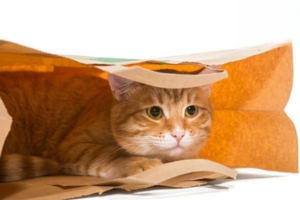
What to Do When a Mother Cat Breathes Rapidly After Giving Birth
Rapid breathing in a mother cat after birth is often normal in the first 2–3 days, as delivery drains her energy and nutrients. Support her with nutrition and rest, avoid baths, and see a vet if symptoms persist or worsen.
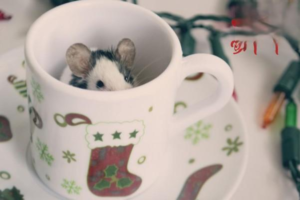
Essential Tips for First-Time Hamster Owners
New hamster owners need real knowledge, not just enthusiasm, to avoid mistakes. This guide covers housing, bedding, bath sand, water, chew toys, and exercise wheels.

A Rabbit’s Natural Instincts
Rabbits are naturally calm, alert, prone to startle, and need to chew—understanding these instincts makes care easier. Use a bottle, offer chew sticks, give clean cooled-boiled water, and skip frequent baths.

Can Dogs Get Heatstroke in Summer?
Dogs have almost no sweat glands and cool mainly through paw pads and panting, so summer heatstroke is a real, sometimes fatal risk. Learn the mild/moderate/severe signs and how to cool your dog fast.

How to Keep a Rabbit Odor-Free
Rabbits are clean animals—odor comes from poor hygiene, not the rabbit. Keep the hutch airy and tidy, bathe only when needed with plain water, and manage urine smell with absorbent bedding and disinfectant.
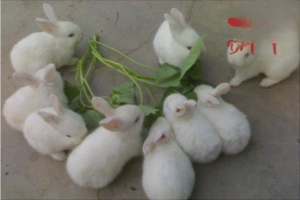
Symptoms of Rabbit Ear Inflammation and How to Treat It
Rabbit ear inflammation (otitis) causes head tilt, ear drooping, foul-smelling discharge, and balance problems, and can lead to deafness or even fatal meningitis if left untreated. Mild buildup can be managed at home with gentle ear cleaning and anti-inflammatory drops, but inflammation with discharge and odor requires prompt veterinary care.