Search Results
227 results for “turtle water change”
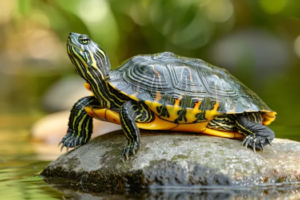
Which Deep-Water Turtles Are Budget-Friendly?
The musk turtle is the most affordable deep-water species because it breeds readily and is widely available, and it is also easy to keep, adaptable, and tolerant of average water quality. Even though it lives in deep water, it still needs a basking spot, so add a platform and let it sun for about two to three hours a day to aid digestion and calcium absorption. With stable warm water, clean conditions, and proper food, a musk turtle is an excellent low-cost choice for new keepers.

What to Do If Your Turtle Eats Only Meat and Rejects Pellets
A turtle that refuses pellets for meat usually has a taste preference or a digestion issue, but long-term meat eating risks gut inflammation, pickiness, malnutrition, and fatty liver. First check that the pellets are fresh and clean, or try a different brand, shape, or flavor—always soak pellets in water so the turtle can swallow. You can also change the routine: more swimming time and sunlight boost appetite. The firm fix is 'starvation training'—offer only pellets, no meat, until hunger wins. If nothing works, or you're unsure the turtle needs food, consult a veterinarian for a tailored plan.

How to Care for an Alligator Snapping Turtle
Alligator snapping turtles are aggressive, long-lived freshwater turtles that make challenging but rewarding pets. They are mostly aquatic but must come ashore often to breathe, so provide a rock or basking platform. Keep water deep, about two to three times the shell height, with a land area for shelter and sunning. Change only one fifth to one third of the water weekly to avoid shocking them. Feed a varied carnivorous-leaning diet of fish, shrimp, earthworms, lean meat, and insects plus some greens, and keep the temperature steady at 26 to 32 degrees Celsius. Avoid overfeeding and too much fat or salt, and clean the habitat regularly to prevent disease.

What Happens When You Overfeed a Turtle?
Overfeeding burdens a turtle's digestive system and can lead to diarrhea, indigestion, and gastroenteritis over time. Leftover food fouls the water, lowering immunity and raising the risk of eye infections, shell rot, and skin disease. Rapid growth that outpaces shell renewal can even cause deformity. To avoid these problems, control portion size and feeding method. Hatchlings need daily feeding, but no more than the size of the head; adults tolerate hunger well and can be fed every few days.

How to Care for a Red-Eared Slider (Brazilian Turtle)
Red-eared sliders, often called Brazilian turtles, are inexpensive and hardy, which makes them a popular first pet turtle. But like any reptile, they need the right setup to stay healthy. Provide a spacious aquarium or tub so the turtle can swim freely, keep the water between 20 and 30 degrees Celsius with a heater, and add a basking platform or dry land where it can climb out to warm up and rest. Without natural sunlight, use a UVB lamp to support calcium absorption and shell development. Change the water regularly and keep the substrate clean to prevent infection. Feed a balanced omnivorous diet of vegetables, fruit, insects, and quality pellets, with calcium and vitamin supplements. With consistent care, your turtle can thrive for years.
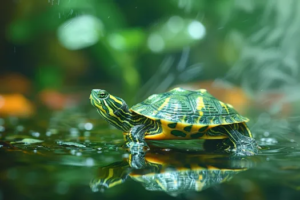
White Spots and White Fuzzy Growth on a Turtle
Finding white dots or fuzzy white material on a turtle worries many owners, but the cause is usually one of two things: a fungal infection called water mold, or simply normal shedding. Water mold comes from dirty water and cannot be wiped off, and it needs prompt treatment; shedding, by contrast, is a healthy sign of growth and should never be peeled away. Telling the two apart—and keeping the water clean—is the key to a healthy turtle. This guide explains both and how to manage them.

Causes and Prevention of Enteritis in Pet Turtles
Enteritis is one of the most common illnesses in pet turtles, and it usually starts with two problems: poor feeding habits such as overfeeding or spoiled food, and infection by bacteria, viruses, fungi, or parasites. The good news is that with the right treatment—stopping diarrhea, then restoring gut function, then refeeding—most turtles recover. Even better, a few steady husbandry habits around water, tank cleaning, and feeding can prevent most cases before they begin. This guide covers both treatment and prevention.
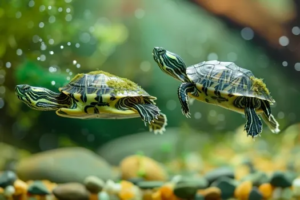
White Fuzz on Your Turtle’s Neck: Shedding or Water Mold?
White fuzz on a turtle can be normal shedding or a sign of water mold disease. If the fuzz has a clear texture with no soft rot, it is likely shedding—just give more sunlight. If fuzz appears on multiple areas and looks rotting, it is probably water mold and the turtle should be isolated and treated. The root cause is usually overcrowding and polluted water; prevent it with good nutrition, wound care, and regular water changes.

Treating and Preventing Turtle Water Mold Disease
Poor water quality from leftover food and waste is the root cause of turtle water mold, usually from poor management. Treatment uses antifungal medication—povidone-iodine applied topically, diluted soaks, gentle brushing, or in severe cases miconazole ointment with dry-docking—always keeping the environment at 28–32°C. Prevention means sunlight, prompt cleanup of food waste, regular water changes, and isolating sick turtles. Do not confuse water mold with normal shedding.

Can Water Mold Disease in Turtles Be Avoided? (Causes & Prevention)
Water mold disease is preventable. Although Saprolegnia is widespread in water, its presence alone does not cause the disease—infection requires a wound. A healthy, uninjured turtle will not get water mold, so the key is good husbandry: smooth enclosures, regular sunlight, balanced nutrition, and clean water. Early signs include gray-white spots and white fuzzy growths on the skin and shell; untreated, the disease progresses to swelling, ulcers, appetite loss, and death.