Search Results
227 results for “turtle water change”
What does turtle skin shedding look like?
Shedding is normal metabolism as the turtle grows and its shell and skin renew; without it, development suffers. The process is slow; you'll see white or pale-yellow films floating, the old skin. Do not pull it off, to avoid harming new skin; let it fall naturally. Shed skin fouls water, so change it often.
Do Turtles Fear Heat?
Turtles do fear heat; their ideal range is 20–30°C. In summer, add shade and aquatic plants, and change water often as it spoils faster in heat.

Why Do Turtles Bask in the Sun?
Basking is a natural and necessary behavior for most turtles. Proper basking helps sterilize the shell, regulate body temperature, absorb calcium, and enhance shell coloration. Owners should provide a suitable basking spot and understand the precautions—avoid intense direct sun and limit basking time—so the turtle's health isn't harmed.
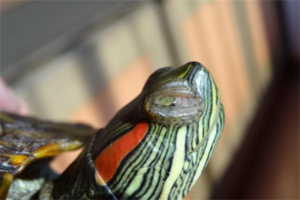
What Are the Symptoms of Turtle White-Eye Disease?
Turtle white-eye disease is a bacterial infection: early signs are a red, whitening nictitating membrane with discharge, worsening to swollen, stuck-shut eyelids and a cloudy cornea, often with lost appetite. Treat with gentle cleaning plus antibiotic eye drops and ointment (and oral antibiotics for severe cases), warm the habitat, and keep water clean to prevent it.

How to Care for a Golden Coin Turtle as a Beginner
A golden coin turtle (Cuora trifasciata) needs a semi-aquatic setup — shallow water just covering the shell, a basking spot, filtration, and steady 25–30°C warmth under a UVB lamp. Feed a varied omnivorous diet in moderation, keep the enclosure clean, and monitor the shell, eyes, and droppings for early signs of trouble.
How should a beginner care for a turtle?
New turtle keepers should dechlorinate tap water, feed pellets or small protein-rich foods in small meals twice daily, and provide a basking spot. Shade plants help in hot outdoor ponds.
What should I do if my Brazilian turtle won’t eat turtle food?
New turtles need 2 to 3 days to adjust; water below 20 C stops feeding and below 15 C causes hibernation, while over 35 C also kills appetite. Persistent refusal may mean enteritis.
Is the flame turtle a deep-water turtle?
The flame turtle is not a deep-water turtle, but it adapts well and can be kept in deep water if a basking platform is provided. Shallow water is better for health and growth. As a freshwater turtle it needs weekly water changes of one-third to one-half, with new water dechlorinated first.
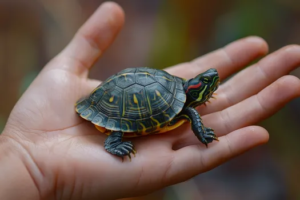
What Water Temperature Is Best for Snapping Turtles?
Snapping turtles tolerate water from 3 to 45 degrees Celsius, but thrive best between 20 and 30 degrees. Below 18 degrees they stop eating, and below 15 degrees they enter hibernation. Above 30 degrees they may become overactive and suffer dysfunction, with signs like poor appetite and breathing difficulty. Keep the water within a comfortable range and change it regularly, replacing about one quarter to one third each time, to keep quality and temperature stable and support healthy growth.
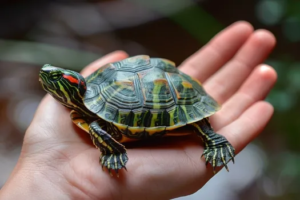
Why Is My Turtle’s Shell Rotting?
A rotting shell loses the turtle its main shield, and it usually comes from imbalance: poor diet short on vitamins and minerals, skipped cleaning that lets bacteria and parasites invade, too little light and wrong temperatures, or untreated scrapes that get infected. Feed a complete, balanced diet; rinse the shell weekly and keep the tank water fresh to stop bacteria; give proper sunlight—it disinfects—and steady warmth; and pad the enclosure so the shell isn't injured. If you spot damage, treat it early before infection spreads. Steady, careful care is what keeps a turtle's shell sound.