Search Results
227 results for “turtle water change”
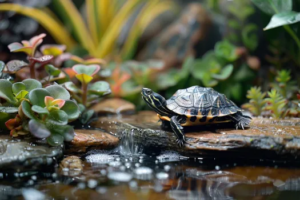
Do Turtles Need Frequent Water Changes?
Change frequency depends on the setup: a normal aquatic turtle about every 3 days, more often in hot weather or with high stocking density, and every 7 to 15 days with good filtration. Always change only one-third of the water, use dechlorinated water, and match the temperature closely to avoid stressing the turtle.
How often should a flame turtle’s water be changed?
Generally change a flame turtle's water every 3 to 5 days, by water quality. In hot summer change daily; in cool spring/autumn less; in winter weekly. Keep temperature 20-30 C.
How often should a Chinese pond turtle’s water be changed?
Change Chinese pond turtle water every 3-5 days - every 3 days when hot, 5-7 when cool. Replace about a third each time.
My turtle keeps climbing the tank after a water change, and another curled up after saprolegnia treatment; urgent help
Climbing after a change can be from insecurity, temperature or light, water quality, or fright. Move the tank to a dim place and avoid additives the turtle rejects.
Poor earlier housing with infrequent water changes; after improving it I found an unknown fleshy lump on the turtle’s front foot. Appetite and routine are unaffected. How to treat it?
A pus-filled white lump on the front foot may be scabies disease, a common turtle skin lesion mostly from mild Aeromonas hydrophila invasion, though some bacteria or fungi also cause it. Early cases still eat, then eat less, and severe cases stop eating and slow down.
How often should you change a turtle’s water in autumn?
In autumn change water every 3 to 4 days. Seasonal frequency differs: in summer, with high appetite, change daily; as temperature falls and appetite drops, water stays good longer, so in low winter temperatures change every 3 to 4 days.
How often should a grass turtle’s water be changed?
Change a grass turtle's water every 4 to 5 days. It is timid and frequent changes cause disease, so adjust frequency; in winter dormancy change monthly, in summer twice weekly as bacteria grow fast.
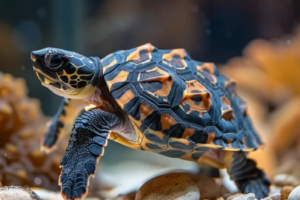
Which Turtle Species Are the Most Personable?
Most turtles are fairly intelligent, but some bond with people more than others — red-eared sliders, Burmese tortoises, yellow-spotted river turtles, painted turtles, and the gentle Chinese pond turtle among them. Success still depends on a right-sized tank, clean water, and daily basking light.

What Causes Scab Disease in Turtles?
Turtle scab disease starts when an injury lets bacteria — usually Aeromonas hydrophila — into the skin, so prevention hinges on clean water and avoiding scrapes. Infected turtles develop white scabs on the neck, limbs, and head that can rupture and spread; early cases are curable by squeezing out the lesions, disinfecting, and applying antibiotic ointment.
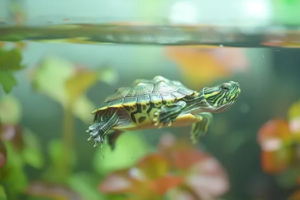
Can Musk Turtles Live With Red-Eared Sliders?
Musk turtles should not be kept with red-eared sliders because of differences in size and habits. Musk turtles are small and gentle; sliders are larger and active, and may harass or bully them. For tankmates, pick similar, calm species like yellow-spotted river turtles, mud turtles, razorbacks, saw-shelled turtles, or map turtles.