Search Results
227 results for “turtle water change”
Common Reasons a Turtle Won’t Eat and How to Respond
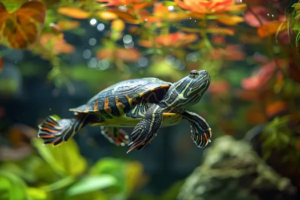
Unpalatable food, unfamiliar surroundings, low water temperature, and gastroenteritis can all make a turtle stop eating. Turtles hibernate: appetite peaks at 24–28°C and drops as temperature falls; below 15°C they enter hibernation and stop eating. For aquatic and semi-aquatic turtles, water depth also matters—too shallow and they may refuse food; keep water at least covering the shell.

Should You Keep a Red-Eared Slider Dry or in Water?
Red-eared sliders are common, hardy pet turtles, but proper care starts with the right setup. They should be kept mostly in water with a land area for basking, while dry keeping is only for sick individuals needing medication. Stable temperature, clean water, varied diet, and disease watch keep them healthy.
Tips for Keeping a Red-Eared Slider (Brazilian Turtle) at Home
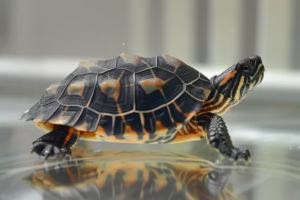
Home-kept red-eared sliders need a healthy hatchling and the right setup. This guide covers choosing a turtle, tank setup, water quality and depth, feeding, and safe overwintering.

Prevention and Treatment of Soft Shell and Shell Rot in Turtles
Soft shell disease and shell rot are both common turtle illnesses. Soft shell disease shows up as an unusually soft shell that may break at a light touch, while shell rot causes the carapace to ulcerate. If you notice these signs, treat the turtle promptly to stop the condition from worsening. This guide covers how to prevent and treat both problems.

Beginner’s Guide to Keeping Pet Turtles
Start with a healthy turtle: pick an active one with clear eyes and no shell rot. Quarantine newcomers a month, give daily sun and clean water, feed every few days, and taper feeding before hibernation. Good water quality is the backbone of turtle health.
What Causes a Turtle’s Eyes to Swell?
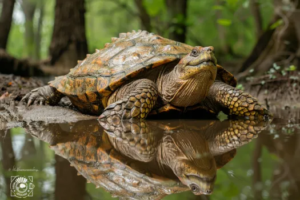
In aquatic turtles, swollen eyes usually come from dirty water and bacteria; in tortoises, it's mainly vitamin A deficiency. Keep water clean and feed enough vitamin A. Turtles also need B6, E, and D for healthy skin, eyes, and calcium metabolism.
Turtle is less active and has diarrhea
Turtle diarrhea has many causes, including unclean food, poor water quality, and sudden temperature changes. If from bad food, withhold feeding for a few days with stable warm water.
My turtle suddenly stopped eating pellets, eats like it’s in pain or choking, spits up, only a little dried shrimp works, less active, hind legs swollen with white stuff
Swollen turtle legs can come from edema, infection, ascites, sudden temperature change, or fat metabolism issues. Edema can follow bad diet or pathogen infection. Stop feeding temporarily and watch; if no improvement or other symptoms, see a vet.
What happens if I keep a turtle without changing the water?
Directly: waste, shed skin, food scraps accumulate, worsening water and causing shell/skin rot, pneumonia, eye disease. Low oxygen and high CO2/gas can suffocate. Poor environment reduces activity, refusal to eat, weight loss, weakness. Change water regularly; if not, install filtration and air pump or use flowing water.
My baby turtle has a transparent white film over its eye that looks a bit swollen, not just the eyelid. Is this normal or is it sick?
A white film is likely an eye infection (white-eye disease) from bacteria, fungi, or microbes, starting with a pale cornea and discharge and risking blindness if worse. Treat with antibiotic drops/ointment like chloramphenicol or erythromycin, oral azithromycin, and keep water clean.