Search Results
168 results for “turtle skin rot”

Emydura australis (Australian Big-headed Turtle)
The Australian big-headed side-necked turtle is carnivorous and lives in shallow water, aestivating in pond mud during the dry season. In the wild it consumes large numbers of mosquito larvae, making it beneficial to people, though it is rare and its trade is strictly controlled.
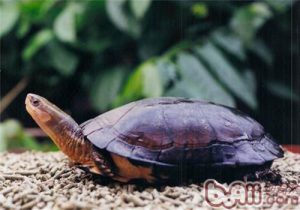
Zhou’s Box Turtle
Zhou's Box Turtle (Cuora zhoui) is a rare and precious turtle in China, found only in Guangxi and Yunnan provinces. Wild populations are nearly depleted, and most knowledge about the species comes from captive husbandry experience.

Amazon Mud Turtle
The Amazon Mud Turtle is a relatively scarce species of musk turtle that emits a musky odor when threatened. It reproduces slowly, so its wild population is in decline, and in the wild it feeds on insects, making it largely carnivorous.
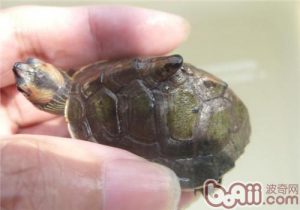
Indian Roofed Turtle
The Indian Roofed Turtle (Kachuga tecta) is one of the more common roofed turtles, recognizable by the distinctive raised black keel on its shell. Native to the rivers of the Indian subcontinent, it is a timid aquatic turtle that can enter hibernation.

Gulf Coast Box Turtle
The Gulf Coast Box Turtle (Terrapene carolina major) is the largest subspecies of the Common Box Turtle, found along the U.S. Gulf Coast bordering Mexico. A typical omnivore reaching up to 18 cm in carapace length, it grows quickly and is relatively easy to keep.
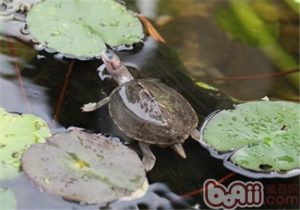
Brown Roofed Turtle
The Brown Roofed Turtle (Pangshura smithii) is a relatively uncommon member of the roofed turtle genus, comprising two subspecies—the nominate Smith's roofed turtle and the white-footed roofed turtle, distinguished by the absence of black markings on its plastron. A semi-aquatic omnivore, it inhabits riverbed mud across the Indian subcontinent and enjoys basking.

Mud and Musk Turtles (Egg Turtles)
The 'egg turtle' is not a single species but the common nickname for the family Kinosternidae — mud turtles and musk turtles — named for their smooth, egg-shaped carapace. Mostly North American, they are popular, interactive pets, but each species differs in size, care difficulty and husbandry, so research the exact species before buying.
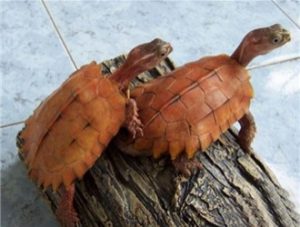
Black-breasted Leaf Turtle
A tiny, leaf-shaped turtle from southern China and Southeast Asia, famous for its golden carapace with twelve keels and notorious for being one of the hardest chelonians to keep.

Should You Keep a Red-Eared Slider Dry or in Water?
Red-eared sliders are common, hardy pet turtles, but proper care starts with the right setup. They should be kept mostly in water with a land area for basking, while dry keeping is only for sick individuals needing medication. Stable temperature, clean water, varied diet, and disease watch keep them healthy.

Common Illnesses of Red-Eared Sliders
Red-eared sliders face several common illnesses: white-eye disease (a white film from poor water), gastroenteritis (odd red-green stools), pneumonia (wheezing, head held high), skin rot, calcium deficiency (soft shell), shell rot, and colds. Most trace to water quality and temperature swings, and many respond to antibiotic soaks or ointments plus warmth and sunlight.