Search Results
168 results for “turtle skin rot”
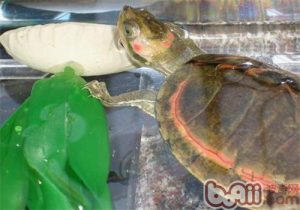
Pink-ringed Tent Turtle
The Pink-ringed Tent Turtle (Pangshura tentoria) is a striking high-domed turtle with pink cheeks and a pink ring around its carapace, but it is delicate, with hatchling mortality often above 80%, mostly from skin rot. Best suited to experienced keepers who can provide stable temperatures and a basking area.
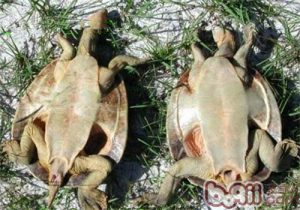
Fitzroy River Turtle
The Fitzroy River Turtle (Rheodytes leukops) is an Australian river turtle famous for 'breathing through its bottom'—it draws oxygen via cloacal sacs, letting it stay submerged far longer than most turtles. A bottom-dweller of flowing, gravelly waters, it is sensitive to poor water quality and warm temperatures.
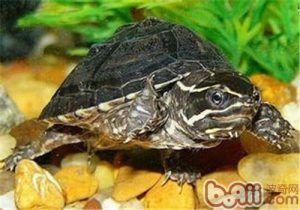
Mud Turtle
The Mud Turtle is not a single species but a group of turtles sharing common traits in body structure or distribution, classified under one family. The family Kinosternidae includes the mud turtles and musk turtles.

East African Black Mud Turtle
The East African Black Mud Turtle is scarce in the wild and thus rarely kept in captivity; in China it is uncommon, though other side-neck species are seen more often, indicating its rarity and need for protection. It eats both plants and animals, living in shallow water and occasionally climbing onto land.
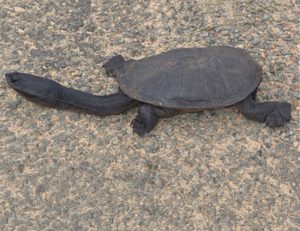
Narrow-breasted Snake-necked Turtle
The Narrow-breasted Snake-necked Turtle inhabits small coastal rivers, wetlands, or swamps, is strongly aquatic, and can bury into bottom mud. It is fully aquatic, even hibernating and mating in water, with females coming ashore only to lay eggs.

Northern Ornate Box Turtle
The Northern Ornate Box Turtle is a desert-dwelling box turtle of the genus Terrapene, found in the United States and Mexico. Highly drought-tolerant, it stores water well and endures arid conditions better than other box turtles.

Hydromedusa maximiliani (Brazilian Snake-necked Turtle)
The Brazilian snake-necked turtle (Hydromedusa maximiliani) is the smallest Brazilian freshwater turtle, found in cold, fast streams of the Atlantic montane rainforest. It is rare, expensive, and listed as Vulnerable by the IUCN.
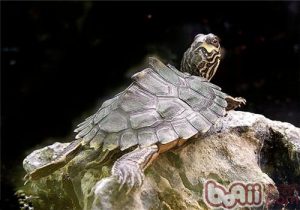
Graptemys pulchra (Alabama Map Turtle)
The Alabama map turtle resembles the red-eared slider in habits, with head striping and a protruding keel. Named for its map-like yellow markings, it feeds mainly on aquatic clams and snails, crushing shells with its hard jaws.

Pseudemydura umbrina (Western Swamp Turtle)
The Western swamp turtle (Pseudemydura umbrina) is one of Australia's smallest turtles; males have a 155 mm shell and weigh 550 g, while females reach 135 mm and 410 g. Its coloration varies with age and habitat, and it is listed as Critically Endangered.
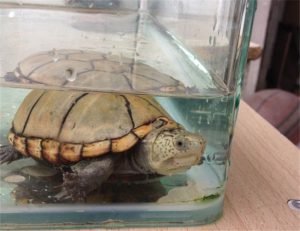
Kinosternon alamosae (Alamos Mud Turtle)
The Alamos mud turtle lives in aquatic-rich habitats and unique ponds, retreating into mud to aestivate during dry periods. In the wild it eats insects, small shrimp, and other invertebrates, and is a shy turtle that withdraws into its shell when threatened.