Search Results
137 results for “turtle cold”
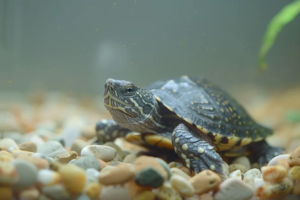
Why Is My Turtle Not Eating? Possible Causes
A turtle that suddenly stops eating is usually reacting to its environment — new surroundings, too little space, low temperature, or lack of light — or to illness like constipation, respiratory infection, or white-eye disease. Keep it watered, warm, and lit; see a vet for other symptoms.

What to Do When a Turtle Won’t Eat for Days
A turtle refusing food for days is usually environmental — new surroundings, low temperature, shallow water, or illness. Keep water 10–15 cm deep, hold 22–25°C, change water often, and tempt with shrimp or raw meat (never salty food); see a vet if it persists.
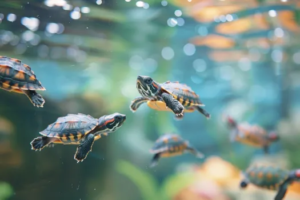
Can Turtle Pneumonia Spread to Other Turtles?
Can turtle pneumonia spread to other turtles? The answer is yes. Turtle pneumonia is an internal infection that spreads to healthy turtles through saliva. What are the symptoms and how is it treated? Our veterinarian explains turtle pneumonia.
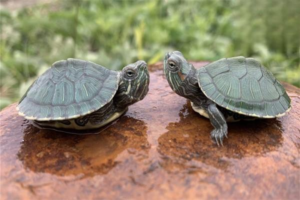
Symptoms and Treatment of Pneumonia in Turtles
Turtle pneumonia appears in stages: early runny nose and lethargy, middle loss of appetite with open-mouth breathing, late blocked nostrils and sideways floating. Treat with warmth (28–30°C / 38–40°C keeping), azithromycin or amoxicillin baths, and tube-fed medication; see a vet if there is no improvement.

What Are the Most Common Turtle Diseases?
Turtles are hardy, but they still get sick, especially with poor water and feeding. The most common illnesses are colds, enteritis, mycosis, and soft-shell disease, each with distinct signs and treatments ranging from antibiotics to diet fixes.
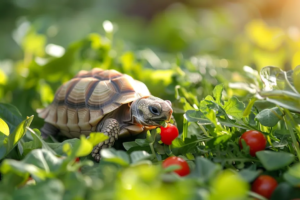
Feeding Precautions to Prevent Enteritis in Turtles
Turtle enteritis has primary causes (poor husbandry) and secondary causes (parasites, liver disease, systemic infection); the primary causes are the easiest to control. The key feeding measures are: avoid hard-to-digest or spoiled food, stop feeding in low or sharply fluctuating temperatures, wait before feeding a newly arrived turtle, and pause feeding during illness—plus feed on a fixed schedule and in measured amounts.

Why a Turtle Spits Out Its Food and What to Do
A turtle that suddenly spits out food is reacting to its environment, temperature, bad food, or illness. Find the cause and act accordingly.

How to Tell When a Turtle’s Hibernation Has Ended
Turtles usually hibernate from late October to early April; they wake when temperatures rise above 15°C (or 20°C if unstable). Signs: the season, warming temperatures, and renewed activity. Let them wake on their own — don't force it — and check for illness after. Tropical turtles, hatchlings under ~5 cm, and sick turtles shouldn't hibernate (keep tank warm and fed).
What kind of environment does a grass turtle like?
Grass turtles generally like a humid, warm, dimly lit environment with rich vegetation and enough space. They like warmth and fear cold, so in winter the owner should keep them warm. They also prefer shallow water; keep them in shallow water, especially as juveniles with weak swimming ability, with water level below the shell.
What causes white streaks on a turtle’s shell?
White streaks on a turtle's shell can be caused by water scale, disease, or environmental problems. Identify the cause before treating.