Search Results
137 results for “turtle cold”

Why Won’t a Turtle Eat?
A turtle may refuse food because the water is below 20°C, the food is spoiled or hard to reach, it is stressed in a new home, it is ill, or it ate indigestible food. Most cases are normal adjustment or temperature; illness needs treatment. This article lists the common reasons.

What to Do When a Turtle Is Constipated
Turtles constipate from low fiber, overfeeding, or cold season changes, showing no stool, poor appetite, and less activity; severe cases risk obstruction. Treatments: cooler water, pediatric enema, or edible oil; see a vet if these fail. This article explains how to tell and fix it.
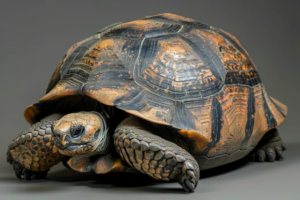
How to Get a Turtle to Eat
A turtle may refuse food because the water is below 15°C (it wants to hibernate), the water is below shell level (young turtles need water pressure to eat), it is bored of one food, or it is ill. Warm the water, raise the level, vary the diet, or treat illness. This article explains the four factors.
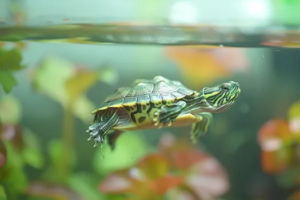
Do Turtles Need Exercise? How to Get a Lazy Turtle Moving
Turtles do need exercise—it aids digestion, appetite, and immunity. A lazy turtle may live in too small a space, lack light, have no reason to roam, or be ill or cold. Boost activity by free-roaming at 20°C+, scattering several feeding spots, giving good light and heat, and interacting daily. This article explains.
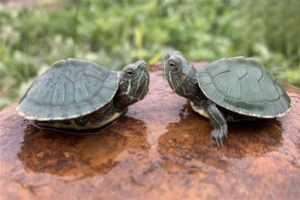
How to Increase a Turtle’s Exercise
Many new turtle owners make the mistake of thinking that as long as the turtle eats and sleeps well, everything is fine, and they overlook the need for exercise. In fact, turtles also need a certain amount of activity to stay healthy. Exercise helps with digestion, boosts appetite, and strengthens the immune system. Turtles cannot do without exercise, so how can you increase their activity? Our pet care specialists explain below.

How to Feed Turtles in Winter
As cold-blooded animals, turtles digest poorly in the cold, so feeding must shift: feed mid-morning, cut frequency as temperatures drop, switch to easily digested pellets or vegetables, and clear the gut a week before hibernation.
What happens if a dog eats a turtle?
Eating a turtle risks: hard shell may damage mouth/digestive tract → blockage, indigestion. Turtles are cold-blooded and carry bacteria/parasites; raw turtle can introduce microbes → GI disease/infection. Stop it immediately and watch closely; if abnormal, see a vet.
Why do turtles hibernate?
Turtles are reptiles that cannot regulate their own temperature, so their functions depend on the environment. In winter, with cold and scarce food, they grow weak and enter hibernation to cut energy use, hiding in soil or leaves. Hibernation helps them survive the harsh cold.
My turtle will not sink in water, floats at the back, with legs stretched straight
Floating can be stress or illness. Stress floating happens after sudden changes like a new turtle or much deeper water, with reduced appetite; rest it in a quiet corner to adapt. Colds, pneumonia, bloat, or gastroenteritis can also cause floating, diagnosed by other signs.
How does a red-eared slider (Brazilian turtle) hibernate?
A South American freshwater turtle, it auto-hibernates below 15°C until ~April. Methods: 1) bury-in-sand—box with damp sand and dry leaves, keep sand moist; 2) dry-leaves—layer of grass/leaves, spray and change; 3) shallow-water—box with cold water 0-10°C, half-submerged, stable, no freezing. Choose by environment/preference.