Search Results
137 results for “turtle cold”

Turtle Cold: Symptoms and Treatment
Turtle colds show as dull eyes, weeping eyes, runny nose, lethargy and white material at the mouth; severe cases develop pneumonia (crusted nostrils, wheezing). Treat by severity — isolation and warmth for mild, antibiotic (gentamicin/oxytetracycline) baths for moderate, and amoxicillin by weight for severe — keeping the enclosure at 30–32°C.

Common Questions About Turtle Colds
Turtle colds are treated early with antivirals, vitamins and rest; mild cases can self-heal but severe ones need medication. Symptoms include weeping eyes, runny nose, bubbles at the nose and lethargy, and may become pneumonia with open-mouth breathing. Prevent by good water quality, stable temperature and isolation.
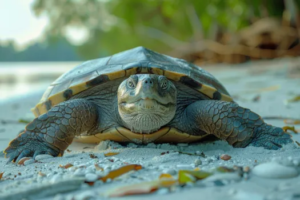
Turtle Colds: Symptoms and Treatment
More people keep turtles as pets now. They are easy to keep but do get sick, and colds are common, so owners should know how to treat one. Here are the symptoms and treatments.

Can Turtles Catch Colds, and What Are the Symptoms?
Turtles do get colds, usually from big temperature swings—runny nose, bubbles, watery eyes, low appetite, lethargy, and if untreated, pneumonia. Treat by isolation, warm water (30–32°C), and oxytetracycline or amoxicillin by severity; keep temperature stable to prevent.
Can a turtle with a cold or pneumonia take roxithromycin dispersible tablets, and how should I dose it?
For mild colds, turtles usually need no medication, just raise the water temperature and give more sunlight. If it persists or worsens, use penicillin- or cephalosporin-class drugs orally, controlling the dose. If the turtle stops eating, subcutaneous antibiotic injection may be needed.
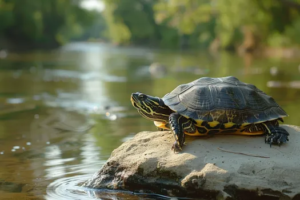
What to Do When a Turtle Has a Cold
A sick turtle shows poor appetite, bubbles from sneezing in water, weeping eyes and nose, pawing at face, wheezing or hard breathing, and lethargy — and a cold often turns into pneumonia, which can kill. Early: isolate, warm rest, add vitamins/electrolytes to warm water (recovers in ~a week). Mid: soak in cold medicine or oxytetracycline ~30 min. Severe: syringe amoxicillin 3x/week at 38-40°C; see a vet if no improvement.
One side of my turtle’s nose is blocked and sometimes bubbles—is it a cold?
A turtle with a cold shows blocked nose, runny nose, reduced appetite, less activity, limb weakness and refusal to eat. Your turtle's blocked nose and bubbles suggest a cold. Raise water temperature and give more sunlight; mild cases recover as immunity improves. If no relief, use cold medicine (e.g., cold-relief granules or banlangen) in bath water, keeping temperature suitable.

Prevention and Treatment of Colds in Turtles
A turtle cold can progress to pneumonia, which is far more dangerous, so treat it promptly and watch for pneumonia signs. Isolate the sick turtle, keep the enclosure at about 30°C, and use antibiotic baths (e.g., cephalexin) or amoxicillin by weight; prevention focuses on good water quality and strong immunity.
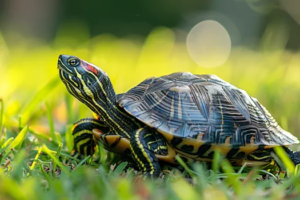
How to Treat a Cold in a Turtle
Turtle colds are treated by severity: mild cases need isolation and a warm (30–32°C day, 28–30°C night), well-ventilated environment plus electrolytes and sunlight; moderate cases add daily oxytetracycline soaks; severe cases need amoxicillin for two courses, with a vet visit if there is no improvement.
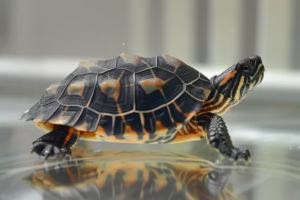
Tips for Keeping a Red-Eared Slider (Brazilian Turtle) at Home
Home-kept red-eared sliders need a healthy hatchling and the right setup. This guide covers choosing a turtle, tank setup, water quality and depth, feeding, and safe overwintering.