Search Results
360 results for “tracheitis”

Why Does My Cat Have Uneven Eye Size?
A cat with one eye larger than the other is common and can be genetic, but if it appears later it usually points to irritation, inflammation, feline herpes, injury, or heat. The right response depends on the cause, so judge by the situation. If a foreign object is the culprit, gently clearing it often restores the eye quickly. Eyelid inversion may need surgery, so see a veterinarian. Other causes include eye disease such as conjunctivitis or keratitis, feline rhinotracheitis with discharge and sneezing, trauma, and diet-related heat that responds to lighter food and more water.

Cat Vaccinations
Cats routinely get the FVRCP (feline distemper) combo plus a rabies shot. FVRCP covers three common, high-mortality, hard-to-treat viruses: panleukopenia, rhinotracheitis (herpes), and coronavirus (more mouth signs than herpes). Rabies is for prevention; indoor-only cats rarely need it in China, but worried owners can give it once adult. Schedule: healthy kittens start at 8 weeks, usually three shots 4 weeks apart; adults get two FVRCP shots 3–4 weeks apart; after that, an antibody test every 3 years can spare unnecessary shots. Notes: a cat on ringworm medication is weak—wait; keep the same brand for the first series, different brands OK for boosters; inactivated vaccines are fine in pregnancy, modified-live are not; confirm immunity with a titer test.

Why Does Your Dog Snore?
Snoring is air vibrating through the throat, nose, and pharynx; a low, steady sound is normal, but loud snoring means an abnormally narrow airway. Causes: respiratory illness (cold, rhinitis, tracheitis—watch for cough, sneeze, runny nose, lethargy, hard breathing), breed (flat-faced dogs like French/Boston Bulldogs have tiny nostrils and long soft palates, so they snore and need weight control plus avoiding heat and sudden exercise), environment (cold air or dust narrowing airways), and sleep pose (back-sleeping worsens it—use a round bed to discourage it).

Which Vaccines Does Your Own Cat Need?
Even indoor cats need the core FVRCP vaccine—owners, supplies, and pet-store visits can carry viruses home. Core shots cover panleukopenia (distemper), calicivirus, and herpes (rhinotracheitis); the first dose is never skippable. Non-core vaccines (FeLV, FIV, FIP, chlamydia, Bordetella, rabies) depend on risk. Follow AAFP siting: FVRCP right front leg, FeLV left front, rabies right hind. First immunity is two shots a month apart, then a booster about a year later; many vets now booster every three years, not annually.

Why Is My Ragdoll Cat Breathing Heavily?
A Ragdoll that breathes noisily isn't automatically sick—it may simply have exercised hard or be reacting to heat. But if the heavy breathing persists, it can signal real problems: respiratory disease, obesity, heatstroke, infectious peritonitis, liver-related fluid buildup, or heart disease. Watch for other symptoms and see a vet if it continues. For overweight cats, weight control helps; in hot weather, keep them cool and hydrated to prevent heatstroke. This article covers the likely causes and the practical steps you can take at home.

Dealing with Cat Tear Stains
Tear overflow (epiphora) happens when tears overproduce or the nasolacrimal duct blocks, spilling onto the fur. The reddish-brown stain comes from porphyrin—an iron waste in tears that oxidizes in air and sunlight. Common causes: too much salt (human food, salty kibble), 'heat', ear infections that stimulate tearing, duct blockage, entropion (inward lashes), dacryoadenitis, and feline herpes (tears plus nasal discharge—watch unvaccinated cats). Genetics play a role too. Cut salty food and see a vet to find the true cause.

Why Has My Dog Lost Its Voice or Gone Hoarse?
Most dogs have a loud, clear bark, so when the voice suddenly fades or turns hoarse it catches an owner's attention. The cause is usually one of four things: strained vocal cords from nonstop barking, anxiety in a new home, an illness such as throat or respiratory infection, or a fright that tenses the throat muscles. While a hoarse voice is often minor and passes on its own, it can also point to pain or infection that needs a vet. This guide covers each cause and the matching response.

Can a Cat Die from a Cold?
A cat's cold is usually not fatal if it stays mild, but ignoring it—letting a secondary virus take hold or failing to care during an outbreak—can indeed be deadly. Viral and bacterial colds are the dangerous ones; feline herpesvirus (cat flu, or rhinotracheitis) is the common viral form, and stray cats left untreated can die, while house cats should see a vet for targeted treatment. Later signs include thick nasal discharge, weeping or cloudy eyes, conjunctivitis, constant sneezing and cough, lost appetite, and low spirits. Prevention centers on vaccination against herpesvirus (though vaccines aren't 100% effective) plus disinfecting the environment, since the virus survives about 24 hours. Keep a sick cat warm—the virus replicates better at low temperatures.

What Every Pet Owner Should Know About Vaccinations
Vaccines are a core part of protecting your dog or cat. A vaccine is a weakened virus that trains the immune system to fight real infections, guarding against deadly diseases such as distemper, parvovirus, adenovirus, rabies, feline panleukopenia, calicivirus, and rhinotracheitis. Puppies can be vaccinated from 45 days old and kittens from 63 days, after weaning and a short settling-in period. Even with proper vaccines, immunity can fail due to maternal antibodies, immunosuppression, stress, or infection during the incubation window—so follow your vet's timing.
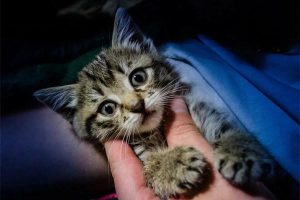
Laryngitis in Dogs and Cats: Symptoms, Treatment, and Prevention
Laryngitis is inflammation of the larynx causing a harsh cough, throat pain, and difficulty swallowing. It may follow infection, irritation, or inhaled objects, and is treated by removing the cause and easing coughing and inflammation.