Search Results
360 results for “tracheitis”

What to Do When Your Cat Has Watery Eyes and Sneezes
Watery eyes and sneezing in cats are usually a simple cold, feline herpesvirus (rhinotracheitis), or allergic rhinitis — not always panleukopenia, as many owners fear. Matching the cause to the right care matters, and severe or low-energy cases need a veterinarian. Keep the environment dust-free and ask your vet about helpful supplements.

Can You Give a Dog Children’s Cold Medicine?
The answer is no—children's cold granules are not safe for dogs. Human cold medicine mixes ingredients that can trigger allergy or poisoning in dogs, and the dose meant for people does not translate to a dog's body. Use a vet-approved pet cold remedy instead, and keep the dog warm.

What to Do When a 2-Month-Old Kitten Has Diarrhea
A very young kitten with diarrhea needs prompt care — its body isn't fully developed and dehydration is a real risk. Stress, a chill, or early gastroenteritis are the usual causes; comfort and warmth help, and a probiotic or a vet visit settles the gut.
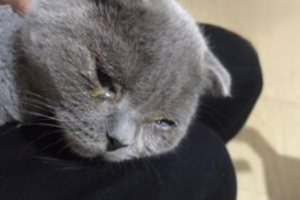
What to Do About Pus-Like Eye Discharge in Cats
Thick, pus-like eye discharge is a warning sign, not just dirt. It can come from a hot, fiber-poor diet, conjunctivitis, or a viral or bacterial infection — and because the eyes often signal inner trouble, persistent discharge means a vet visit.

How to Treat a Sneezing, Congested Cat
A cat that only sneezes usually needs no medication, but added symptoms change the picture. Allergies, a chill, viral rhinotracheitis, or a nasal foreign body each call for a different fix — and persistent sneezing with discharge means a vet visit.
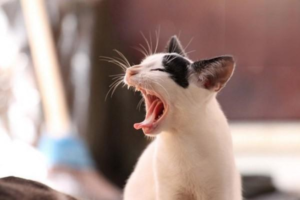
Why Is My Cat Sneezing?
Sneezing and a runny nose are easy to dismiss, but they deserve a closer look. The usual triggers are dust or litter dust (allergy), a chill or cold, or — when discharge turns thick and the cat runs a fever — feline rhinotracheitis, which needs prompt veterinary care.

Why Is My Cat Breathing With Its Mouth Open?
Open-mouthed breathing has both normal and disease causes. Heat, exertion or fear can explain it, but otherwise it usually signals a blocked or inflamed airway such as a cold or feline rhinotracheitis. Persistent cases with fever or eye discharge need a vet.

Cat Has Had Yellow Nasal Discharge for Six Months
Persistent yellow nasal discharge in cats usually points to a chronic upper-respiratory infection such as feline viral rhinotracheitis, or less commonly pneumonia. When the symptom has lasted six months, the condition is well established and needs a proper veterinary work-up rather than guesswork. Supportive home care can ease discomfort, but lasting or recurring discharge warrants diagnostic testing.
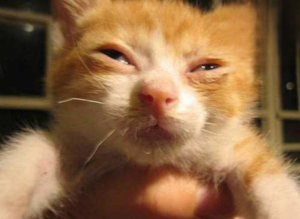
What to Do When Your Cat Sneezes Blood
Blood in a cat's sneeze points to parasites or feline rhinotracheitis (cat flu) — both need a vet check. Deworm for parasites; for rhinotracheitis, treat the virus with eye drops and vet-prescribed medication plus immune support.

Will a Cat Die from Pus-Like Eye Discharge?
Pus-like eye discharge itself isn't fatal, but the diseases behind it can be — feline distemper (panleukopenia), rhinotracheitis (cat flu), and calicivirus all produce crusty, pus-like eye discharge. The underlying illness, not the eyes, is the real danger.
- « Previous
- 1
- …
- 34
- 35
- 36