Search Results
360 results for “tracheitis”
How many days apart should cat vaccines be given?
The FVRCP series is 21 to 28 days apart, with the rabies shot about a week after. After the first series, a booster once a year keeps antibody levels up. These guard against panleukopenia, rhinotracheitis and calicivirus.
How to identify kennel cough in dogs?
Kennel cough is contagious; confirm via antigen tests or PCR. Early signs mimic a cold (dry/wet cough, runny nose), but the classic sign is tracheitis - frequent cough, sneezing, runny nose, fever, poor appetite - and can become pneumonia. See a vet if seen.
What causes reddish-brown eye discharge in cats?
Reddish-brown eye discharge can come from irritants or bacterial conjunctivitis/keratitis after injury or infection — flush with saline first, then use antibiotic drops and ointment; see a vet if severe to protect vision. It can also mean the cat is 'overheated' from a salty diet and low water intake, needing a diet fix and daily cleaning. Feline rhinotracheitis (cat flu) can also cause it, with runny nose, fever and appetite loss — see a vet.
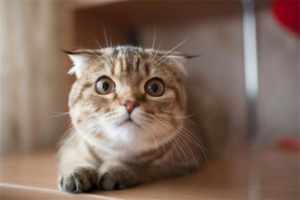
Should Your Cat Be Vaccinated Before Spay or Neuter Surgery?
Vaccinating your cat before spay or neuter surgery is strongly recommended. The procedure briefly lowers immunity, and a clinic may expose the cat to other infectious diseases, so vaccines reduce surgical and post-op infection risk.

Why Cats Are Prone to Feline Herpes (Cat Flu)
Cat flu (feline rhinotracheitis) comes from feline herpesvirus and hits weak or young cats hard; strays are commonly infected. Signs are sneezing, eye/nose discharge, and fever. The FVRCP vaccine prevents it; isolate suspects and add lysine.
FVRCP Vaccine vs. Meow San Duo — What’s the Difference?
FVRCP is the vaccine class; Meow San Duo is one product in it — like 'fruit' vs 'apple.' FVRCP protects against panleukopenia (feline distemper), viral rhinotracheitis (cat flu), and calicivirus; any vaccine covering all three earns the name. Meow San Duo is the long-standing imported inactivated FVRCP, so many owners use the name for the whole class, but domestic options now exist. Vaccinate at a licensed clinic on schedule (kittens at 8, 12, 16 weeks, then boosters), deworm first, and watch for reactions; even indoor cats need it.
Is a cat that keeps sneezing necessarily suffering from a cold?
Frequent sneezing is not necessarily a cold. It can be irritation from cold air, pollen, dust, or strong odors, a bacterial or chill-induced cold, or feline rhinotracheitis (cat flu). See a vet if it persists.

Is Heavy Panting After a Walk Normal for Dogs?
Panting after exercise is normal when a dog needs more oxygen and to dump heat — especially in heat or after hard, long activity, as long as it eats, drinks, and acts normally. But obesity makes panting worse, and panting with coughing, drooling, or breathing trouble can signal trachea, lung, or heart disease — see a vet. Walk lengths: small dogs 20-30 min, medium 30-40, large breeds over an hour, and pick flat, safe ground.
Does a cat that keeps sneezing have a cold?
Constant sneezing is not necessarily a cold; it can be irritation from cold air, pollen, or dust, a bacterial infection, or feline rhinotracheitis. Treatment depends on the cause.
Why does my cat make a huffing or puffing sound?
A cat's huffing may reflect unstable emotions in a new environment, in which case give it space and time. If accompanied by eye or nose discharge, lethargy, or appetite loss, it may signal a respiratory infection.