Search Results
111 results for “toxic dog foods”

Manchester Terier
The Manchester Terrier, a sleek, intelligent ratting and rabbit-hunting terrier from 16th-century Britain, is lively and alert with a strong loyalty to one owner. A clean, devoted family dog, it gets along with children and other dogs.

saluki
The Saluki, also known as the Persian Greyhound, is an ancient sighthound from Egypt, prized for its elegant, lean build and long, silky ears and tail. A noble, loyal, and gentle companion, it needs plenty of exercise and space.

Black Russian Terrier
The Black Russian Terrier is a large, powerful working dog from Russia, confident, brave, intelligent, and reliable. It adapts well to training and makes a devoted guardian for experienced owners.
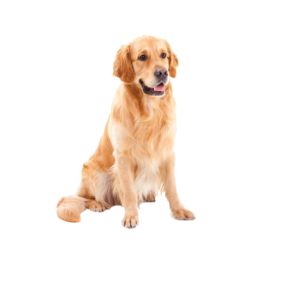
Golden Retriever
The Golden Retriever is a friendly, intelligent and devoted sporting dog originally bred in Scotland to retrieve waterfowl. Highly trainable and gentle, it is one of the most popular family companions and service dogs in the world.

Standard Chinchilla Rabbit
The Standard Chinchilla Rabbit is an artificial breed named for its fur, which closely resembles the South American chinchilla. Gentle, affectionate, and recognizable, it makes a good pet rabbit, though some websites wrongly use chinchilla (rodent) photos in its place.

Huangshan Squirrel
The Huangshan squirrel, as its name suggests, is a squirrel species native to Mount Huangshan in Anhui Province, China. It prefers wooded habitats and is agile, alert, and light on its feet. It is mainly distributed across Anhui, Zhejiang, and Hubei, among other regions.
What happens a week after a puppy eats onions?
Untreated onion poisoning can kill a puppy quickly; with mild ingestion, jaundice and anemia may appear within about a week. Symptoms include loss of appetite, lethargy, vomiting, diarrhea, and dark urine. Seek vet care and avoid toxic foods like avocado, chocolate, and grapes.
What happens if an Alaskan Malamute eats avocado?
An Alaskan Malamute must not eat avocado: it contains persin, which dogs cannot metabolize, and buildup causes poisoning. Leaves, flesh, skin, and pit are all toxic, causing vomiting, diarrhea, and breathing trouble, even death in large amounts. Also avoid onion, grapes, scallions, chocolate, and cherries.

Bringing Home a 2–6 Month Old Puppy or Kitten: A Complete Care Checklist
A new 2–6 month old puppy or kitten is fragile, and mistakes in the first weeks—too much handling, wrong food, missed vaccines—can cause stress, illness, or worse. Start by letting the pet settle alone for 1–2 hours before gentle interaction; keep the same food it had before (soak kibble if needed) and feed 3–4 small meals a day. Watch the first week closely, since transport can expose them to panleukopenia, cat flu, distemper, or parvovirus on top of stress. The vaccine and deworm timeline matters: deworm first, wait at least 7 days, then vaccinate (dog multivalent from ~45 days, three shots 21 days apart, rabies at 3 months; cat FVRCP from 2 months, three shots 28 days apart, then rabies). Don’t bathe, delay outings until vaccinated, and never feed toxic people foods like grapes, chocolate, coffee, or avocado.

What to Do When Your Pet Swallows a Foreign Object
Chewing on household items is natural for cats and dogs, but what starts as play can end with something swallowed by accident. Some objects are merely harmless, while others can damage health or even be life-threatening. If your pet ingests something dangerous, get to a veterinary clinic at once — never try to induce vomiting at home. Knowing which foods and objects are toxic, and calling the vet with clear details, can make all the difference.