Search Results
111 results for “toxic dog foods”

Magnesium Metabolism Disorders in Dogs and Cats
Magnesium disorders in dogs and cats include deficiency, causing stunted growth, hyperexcitability, and convulsions, and excess, usually from over-supplementation, causing vomiting, diarrhea, and in cats urinary tract signs. They are managed by correcting dietary magnesium and treating the underlying cause.

Vitamin A Toxicity (Hypervitaminosis A) in Dogs and Cats
Vitamin A toxicity in dogs and cats follows prolonged over-supplementation with vitamin A or liver-heavy diets, suppressing bone-forming cells and causing periosteal bone spurs, pain, and lameness. It is reversed by stopping excess vitamin A and providing supportive joint care.
What Causes Dog Liver Failure?
Liver failure can come from drug or food poisoning, viral infection, or a weak liver from birth. Human medicines or chemicals, toxic foods (chocolate, grapes, onions), and hepatitis or distemper viruses can all damage the liver.
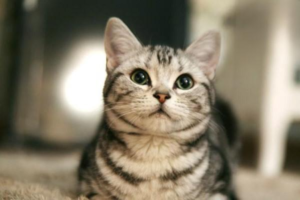
Foods That Are Toxic to Cats
Unlike dogs, many things people can eat harm cats. Some seasonings also burden a cat's body.

Common Human Foods That Are Dangerous for Dogs
Many everyday human foods are toxic to dogs, and even small amounts of xylitol, chocolate, grapes, onions, or alcohol can cause serious harm or death. This guide lists 16 foods to keep away from your dog, plus a few safe options you can share in moderation.

Can Dogs Eat Cherries?
The answer is no. Cherry pits, stems, and leaves carry cyanide, and the pit itself can block the gut. With so many safer fruits available, cherries simply aren't worth the risk.

Why Your Dog Vomited White, Sticky Fluid
White sticky vomit can be saliva from food poisoning (chocolate, onion, grapes), a throat obstruction from bones, or a viral infection like parvovirus or distemper. Food poisoning and obstructions are emergencies needing the vet; for viral cases, a vet may use antibiotics plus immune support, with diarrhea and lethargy as warning signs.

A General Guide to Feeding Pets
Good feeding means deworming on schedule (from about 2 months, then every 3–6 months), picking food that fits the pet instead of sharing yours, and never giving chocolate or onion, which can poison and cause gut disease.

How to Feed Your Cat
Good feeding comes down to three rules: never overfeed, never serve expired or toxic food, and never feed by mood. A dog's stomach is more delicate than ours, so portion control — about 70 to 80 percent full, on a fixed schedule — protects it from gastritis and picky eating, while steady routines keep both body and mood healthy.

Causes and Prevention of Diarrhea in Newborn Puppies
Newborn puppies have very weak resistance; lack of warmth causing a cold belly leads to diarrhea. They have poor digestion and no sense of fullness, so indigestion diarrhea is common. Formula-fed puppies may also have diarrhea as part of adaptation, which is normal.