Search Results
809 results for “tail rot”

Kapuas Mud Snake
The Kapuas Mud Snake (also called the color-changing snake) is found in swamps and swamp forests along Indonesia's Kapuas River. A rear-fanged colubrid discovered only around 2005, it is venomous but not yet kept as a pet.
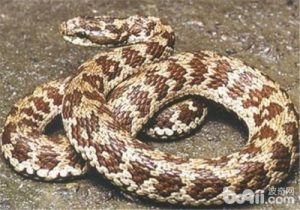
Montane Pit Viper
The montane pit viper (Gloydius monticola) is a small venomous snake of the high mountains of western China, recorded up to 4,320 m. Ovoviviparous and feeding on rodents, lizards and frogs, it is not known in captivity.

Rosy Chain Snake
The rosy chain snake (Dinodon rosozonatum) is a fierce, nocturnal, colubrid endemic to Hainan Island, China, marked by pink crossbands on a blackish-brown body. Listed under China's protected-wildlife directory, it is rarely kept and feeds on frogs and, occasionally, other snakes.
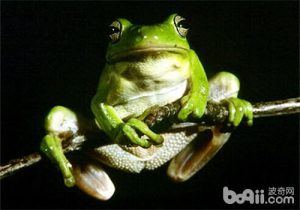
Wallace’s Flying Frog
Wallace's flying frog (Rhacophorus nigropalmatus), also called the black-webbed tree frog, is a gliding frog of the rainforests of Malaysia and Indonesia. With its large webbed feet it can glide up to 15 meters between trees, and in captivity it needs a tall, humid, planted enclosure with secure walls.
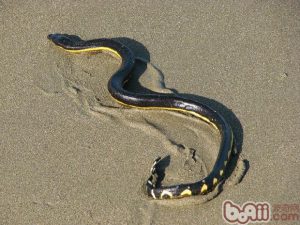
Yellow-bellied Sea Snake
The yellow-bellied sea snake (Pelamis platurus) is a pelagic, highly venomous sea snake found across the warm oceans of the Indian and Pacific regions. It spends its entire life at sea, even giving birth to live young in the water, making it one of the most widely distributed snakes in the world.

East African Black Mud Turtle
The East African Black Mud Turtle is scarce in the wild and thus rarely kept in captivity; in China it is uncommon, though other side-neck species are seen more often, indicating its rarity and need for protection. It eats both plants and animals, living in shallow water and occasionally climbing onto land.
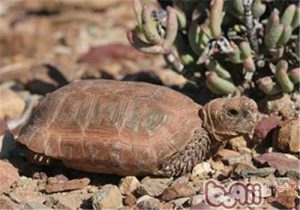
Boulenger’s Cape Tortoise
Boulenger's Cape Tortoise (Homopus boulengeri) is a rare and little-studied tortoise from South Africa's Karoo region, resembling the Speckled Cape Tortoise but slightly larger and reaching up to 13 cm. Few are kept in captivity, and conservation awareness for this species remains limited.

Berger’s Cape Tortoise
Berger's Cape Tortoise is a small tortoise native to the coastal regions of Namibia and western South Africa, where it shelters among rock crevices and feeds on the flowers and fruits of plants such as cucumbers, gourds, grapes, and figs, reproducing by laying eggs.

Hydromedusa maximiliani (Brazilian Snake-necked Turtle)
The Brazilian snake-necked turtle (Hydromedusa maximiliani) is the smallest Brazilian freshwater turtle, found in cold, fast streams of the Atlantic montane rainforest. It is rare, expensive, and listed as Vulnerable by the IUCN.
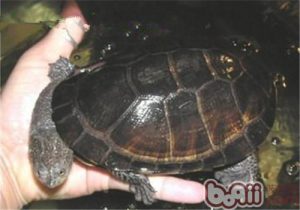
Acanthochelys radiolata (Brazilian Radiolated Swamp Turtle)
The Brazilian radiolated spiny-necked turtle is a rare Brazilian species in the genus Acanthochelys, named for the radiating pattern on its carapace. It is difficult to keep and seldom seen in captivity.