Search Results
255 results for “sweat”

Flemish Giant
The Flemish Giant is the largest pet rabbit breed in existence today, originally from Belgium and later developed through breeding programs in the United States. Though a giant by rabbit standards, it is kept as a gentle family companion, but its large size and hearty appetite make it best suited to owners with plenty of space.

Pet Ferret
Want to keep a pet ferret? You should know its habits. Here is a summary of pet ferret behavior for you.

Pink White Chinchilla
The Pink White Chinchilla is a cross between a white chinchilla and a beige or golden chinchilla. Its pinkish-white fur and pink ears are very attractive. Without a close look, it is easily confused with the red-eyed white chinchilla.

Brown Chinchilla
The Brown Chinchilla results from crossing a beige or gold chinchilla with a black one. It has brown ears, brown exterior, and even a brown belly. Because its coat varies in shade, it is divided into three color degrees.

Signs Your Cat Is Overheating and What to Do
Cats are highly sensitive to heat and can quickly go from discomfort to heatstroke in hot weather. Key warning signs include sprawling belly-up on the floor, panting with the tongue out, drinking excessively, and losing appetite. Keep your cat cool by ensuring air circulation, thinning (not shaving) the coat, and providing plenty of fresh water.
How to Prevent Heatstroke in Cats in Summer
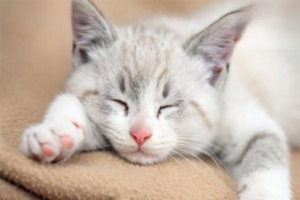
Cats have no sweat glands and cool only through paws and muzzle, so they overheat fast — heatstroke brings panting, rapid breathing, and can be fatal. In an emergency move the cat to shade, cool it with damp towels and alcohol on paw pads and armpits, and see a vet if needed. Prevent it with a cool airy home, plenty of water, AC around 25°C, trimmed paw fur, and never shave the coat, which protects against water loss, injury, and sunburn.

What Are a Rabbit’s Living Habits and Traits
Rabbits are timid, nocturnal, dry-loving, solitary chewers that eat only plants. They rest by day and eat 70%+ of their food at night, cool mainly by breathing so they need dry 14–20°C housing, fight if caged together, gnaw constantly to wear down open-rooted incisors, and must never be fed meat. A common myth is that they need no water — they do, in moderation.

Common Mistakes When Choosing Dog Shampoo
Always use dog-specific shampoo or you risk skin problems, but quality varies. This guide debunks myths—'more scent', 'more foam', 'slicker is better', 'human shampoo is fine'—and explains why dog and human skin differ.

Why Does a Rabbit’s Nose Twitch Constantly?
Many owners see a rabbit's nose twitch non-stop and wonder why. Causes vary — nervousness or heat often trigger it. This article analyzes the reasons behind constant nose twitching.

Rabbit Stress: Causes, Signs, and How to Avoid It
Rabbits are timid and sharp-eared, so strong or repeated shocks can stress them severely, even fatally. Causes include changed water or feed, weather, noise, light, moves, and strangers; signs are raised pulse and breathing, restlessness or hiding, refusing food, and does crushing or rejecting kits. Avoid stress with steady routines, fixed light, temperature control, quiet, and gradual feed changes.