Search Results
255 results for “sweat”
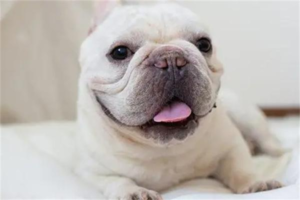
French Bulldog Heatstroke: Symptoms and What to Do
Heatstroke happens when a dog cannot regulate its body temperature in hot or humid conditions, causing dangerous overheating. As a short-nosed breed, French Bulldogs are especially prone to heat stress and breathing difficulty. An affected dog runs a temperature above 40°C with rapid breathing, red membranes, dry mouth, tongue extension, foaming, and even collapse — move it to shade, give water and electrolytes, and apply ice to the armpits, belly, and neck to cool it down.

What Not to Do When Raising a Rabbit
Pet rabbits need care and skill; they are fragile with sensitive guts and specific temperature and humidity needs. Neglect leads to illness and death. Here are the don'ts of keeping a pet rabbit.
How often should a Golden Retriever be bathed in summer?
A Golden Retriever can be bathed every 1-2 weeks in summer. Heat causes more sweating and bacterial risk, so raise the bath frequency a bit based on coat condition.
How often should I bathe my 6-month-old Teddy?
At 6 months it is vaccinated, so base frequency on condition. In summer every 2 weeks (heat and bacteria), other seasons monthly, less in winter; adjust to how dirty it gets.
How Does a Dog Get Heatstroke?
Heatstroke comes from high heat or humidity since dogs cool poorly, plus exercise without rest and low water intake. Signs include thirst, fast breathing, tongue color change, vomiting, diarrhea, seizures or coma; cool and seek care.

Are Chinchillas Prone to Heatstroke? How to Treat It
Chinchillas are very heat-prone: their thick Andean coat resists cold but they have few sweat glands, so heat and humidity quickly cause fatal heatstroke. Cool a stricken pet with ice and a fan, wipe alcohol on thin-furred spots, give a cooling remedy, and rehydrate — and keep the room below 28°C, ventilated, and shaded in summer.

Chinchilla Heatstroke: Symptoms and Emergency Care
Chinchilla heatstroke happens when heat and humidity stop the body from shedding heat, and severe cases are fatal fast. Watch for lethargy, unsteady standing, or coma; for mild-to-moderate cases move the pet to a cool place, apply cooling balm, and give a heat-relief fluid, while severe cases need glucose and a vet.

Can Chinchillas Be Washed with Water? Why Not?
Chinchillas must never be washed with water — their dense fur traps moisture and they are prone to chilling, stress, and even fatal illness. In the wild they clean themselves by rolling in volcanic ash or sand, so a chinchilla-specific dust bath is the safe, healthy way to keep them clean.
How long does a puppy pant after running?
A puppy usually pants a few minutes after exercise; avoid long or intense exercise. Dogs lack body sweat glands (only paw pads), so they cool by panting; after running they shed heat by faster breathing, settling in minutes. If slight exercise causes severe panting, suspect heart or respiratory disease and avoid running.
What happens when a cat gets too hot?
A hot cat shows reduced appetite, lethargy, dry red nose, panting with tongue out, drooling, and frequent drinking. Because cats have few sweat glands, ventilate and use fans or AC to cool them, and provide plenty of water.