Brown Chinchilla
2 Photo Gallery

1 Brown Chinchilla Breed Overview
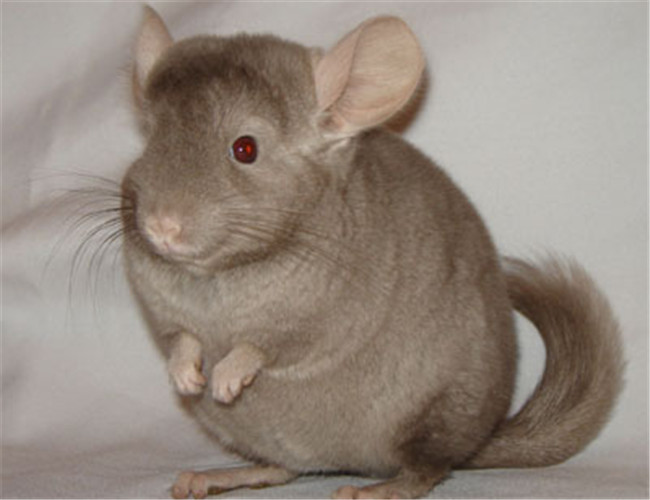
The Brown Chinchilla results from crossing a beige or gold chinchilla with a black one. It has brown ears, brown exterior, and even a brown belly. Because its coat varies in shade, it is divided into three color degrees.
Chinese name: Brown Chinchilla
Other names: American chinchilla, also called velvet rat, downy mouse, golden mouse, chinchilla
Kingdom: Animalia
Phylum: Chordata
Subphylum: Vertebrata
Class: Mammalia
Subclass: Theria
Order: Rodentia
Suborder: Hystricomorpha
Family: Chinchillidae
Genus: Chinchilla
Distribution: Andes Mountains of South America
2 Brown Chinchilla Appearance
The Brown Chinchilla’s coat color is special; for better sales it has many names, usually based on shade. Because the anime ‘My Neighbor Totoro’ used the chinchilla as a model, people now affectionately call them chinchillas.
The Brown Chinchilla is a cross of beige or gold with black; it has black or brown-red eyes, brown ears, brown exterior, and a brown belly. A brown with two beige genes is lighter, like a beige or gold, but the black gene makes the belly match the body, never white, which distinguishes brown from beige. Different shades give the whole animal variation: darker is Tan, middle is Brown, lighter is Pastel.
3 Brown Chinchilla Living Environment
Its environment can follow the chinchilla’s. Gentle and rarely biting, it is a new favorite. But it cannot tolerate heat, so cool it in summer.
It lacks sweat glands and likes dry, cool places; ideal 2-30 C, below 0 or above 30 C is unsuitable. Too much rain, damp, and cold wind harm growth. Indoor about 14 C, not below 0 or above 30 C; humidity 50-60%. Ventilate before feeding daily. In southern plum rain and winter, prevent damp. In the north, keep warm, especially the young. In heat, ventilate and shade, ideally with cooling and ample water. It is clean, loves dust baths; disinfect utensils regularly, dust bathe at least weekly for 20-30 minutes. Minimize disturbance; no cats or dogs; keep quiet.
4 Brown Chinchilla Feeding Guidelines
Feeding follows the chinchilla’s; not all foods are suitable. What is best?
Its digestive tract is long with a developed cecum, so feed hay, grains, and greens, or compound feed: herbs, vegetables, mulberry, elm, and alfalfa leaves, grains. Avoid watery vegetables like cabbage. Adults about 25 g daily plus hay and greens (alfalfa, clover, weeds, timothy, plantain, dandelion, sow thistle, water celery, carrot) for growth and appetite.