Search Results
44 results for “supplement choice”
Safe Dog CoQ10: What the Research and Labels Tell You
CoQ10 appears in veterinary cardiac plans for mitral valve disease, dilated cardiomyopathy, and senior heart decline, and the research behind it is real — not a fad. A 2021 study found dogs with mitral valve disease in heart failure had significantly less heart-muscle CoQ10 than healthy dogs, and a 2022 randomized trial showed supplementation improved oxidative-stress and contraction markers with no adverse effects. The catch is that the benefit only appears when the product is safe, dog-appropriate, and correctly dosed. This guide explains how to read the label and the form.

Rosy Barb
The rosy barb is native to India. In the aquarium it reaches 5 to 7 cm, but in the wild it can grow to 14 to 15 cm. During breeding it shows a striking rosy-red nuptial coloration.
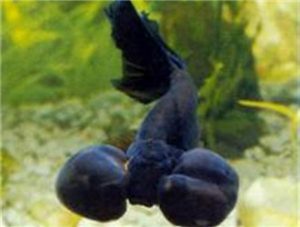
Black Bubble Eye Goldfish with Dorsal Fin
The Black Bubble Eye Goldfish with Dorsal Fin is an all-black variety of bubble-eye goldfish that first appeared around 1982, prized when its color is as deep as ink. Unlike tailless bubble eyes, it retains a normal dorsal fin. Its fluid-filled eye sacs are delicate and require careful handling and stable water conditions.

Leopard Danio
The Leopard Danio is native to Southeast Asia and is prized for its vivid leopard-like coloration, making it a favorite among tropical fish keepers. Hardy and easy to care for, it is an excellent choice for beginners. A peaceful, active schooling fish, it reaches about 3-5 cm and accepts a wide range of foods.

Philippine Sailfin Lizard
The Philippine sailfin lizard (Hydrosaurus pustulatus) is the largest agamid, famed for the tall sail on its tail; semi-aquatic and IUCN Vulnerable, it is a challenging but rewarding advanced keeper's lizard.
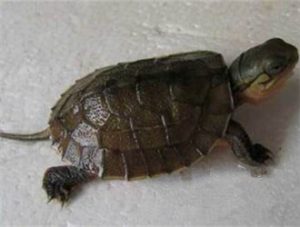
Iverson’s Turtle
Iverson's Turtle (Mauremys iversoni), also called the Fujian stone turtle, is a China-endemic turtle found only in Fujian and Guizhou. Very rare, it is listed under China's protected-wildlife category, and its taxonomic status is debated — some research suggests it may be a hybrid.

Burmese Black Turtle
The Burmese Black Turtle (Melanochelys trijuga indopeninsularis) is one of the seven subspecies of the Indian black turtle (three-keeled turtle). Common in Chinese pet markets — almost all sourced from wild capture — it is inexpensive but plain-looking, so it is kept in modest numbers.

Colombian Wood Turtle
The Colombian wood turtle (Rhinoclemmys melanosterna), also called the black-bellied wood turtle, is a vividly marked, entirely dark-plumaged member of the American wood-turtle genus. A tropical, aquatic omnivore from northwestern South America.
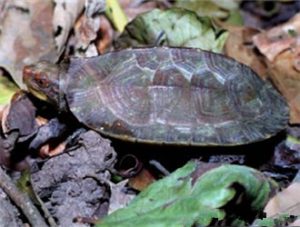
Cochin Forest Cane Turtle
The Cochin Forest Cane Turtle (Vijayachelys silvatica) is a rare, semi-aquatic turtle from the forested hills of southern India above 300 m. Secretive and burrowing, it is seldom seen in trade and hard to keep.

Beaked Cape Tortoise
The Beaked Cape Tortoise (Homopus areolatus), or parrot-beaked tortoise, is the world's smallest tortoise, a secretive rock-dweller endemic to South Africa's Cape. Delicate in captivity, it is best left to experts.