Search Results
44 results for “supplement choice”
CoQ10 for Pets: What It Is and How to Choose a Quality Supplement
Coenzyme Q10 (CoQ10) is a fat-soluble compound that helps cells produce energy, and it is concentrated in the heart, kidneys, liver, and brain. As cats and dogs age, their ability to make CoQ10 declines, which is why it is often discussed as a heart-support supplement. This guide explains what CoQ10 does, which pets are most likely to benefit, how to judge a supplement's real quality, and practical feeding tips — so you can make an informed choice instead of relying on marketing claims.

Choosing a Quality CoQ10 Supplement for Pets
Coenzyme Q10 is a nutritional supplement that supports heart-muscle energy and reduces oxidative stress, but it is not a substitute for prescribed heart medication. When selecting one, look for independently verified CoQ10 content and a clean, naturally fermented source.
Boiled Meat, Raw Food, or Kibble: Feeding Your Cat or Dog Wisely
Many owners cook plain boiled meat for their pets, thinking it is cheaper or safer than commercial food. But domestication has shifted companion cats and dogs away from strict carnivores, and feeding only boiled meat long term risks calcium-phosphorus imbalance and kidney strain. This guide explains how to balance a home-cooked diet for dogs and cats, why boiled meat beats raw for most homes, and how commercial kibble fits in. The takeaway: boiled meat is fine, but only when fed as part of a balanced, well-planned diet.
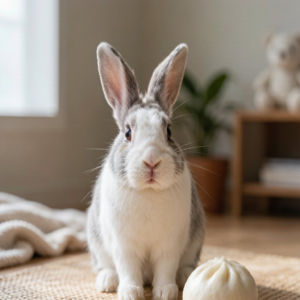
Can Rabbits Eat Steamed Buns?
It is best not to feed rabbits steamed buns. Made mainly of flour, yeast, and water, buns are rich in carbohydrates that a rabbit's digestive system cannot handle well, and eating them can cause digestive trouble and obesity. A rabbit's diet should center on high-fiber, low-fat, low-sugar plants. Grass provides the fiber that supports gut digestion, so pair hay with limited fruit and vegetables for balanced nutrition.
Can You Brush Your Dog’s Teeth With Human Toothpaste?
Never brush a dog's teeth with human toothpaste. Many human formulas contain ingredients toxic to dogs, especially fluoride and xylitol. Dogs swallow the foam instead of rinsing, so toxins build up: fluoride can cause vomiting, diarrhea, irregular heartbeat, and over time kidney and nerve damage, while xylitol is far worse, just 0.1 g per kg of body weight triggers severe low blood sugar and 0.5 g/kg can cause acute liver failure. Mint flavors also make dogs resist brushing. Use a pet toothpaste (look for VOHC approval), brush at least three times a week, and see a vet for red, bleeding gums or worsening breath, which may mean periodontitis.
How Much Feed Does a Guinea Pig Need Per Day?
A guinea pig needs about 5–7% of its body weight in food daily—so a typical 300 g guinea pig eats roughly 15–21 g. Adjust for activity, age, and health, since youngsters need more for growth. Base the diet on dry foods—hay and pellets—because too much moisture causes diarrhea; add small amounts of guinea-pig-safe vegetables and fruit for vitamins, and a vitamin C supplement, since they can't make their own. Variety and freshness keep the diet balanced and the pet thriving.
CoQ10 for Dogs: Why It Matters for Your Pet’s Heart
As dogs age, heart function naturally declines, and heart disease is especially common in small breeds. Coenzyme Q10 (CoQ10) is a nutrient that helps power heart-muscle cells and protects them from oxidative damage, which is why it is widely used to support cardiac health in senior pets. Yet the supplement market is uneven—many products overstate or never verify their CoQ10 content. This guide explains what CoQ10 does for your dog's heart, how to choose a supplement with genuinely usable CoQ10, and what the current evidence says, so you can make a confident, informed choice.
How to Choose a Staple Canned Food for Your Cat
Cats often prefer juicy canned food to dry kibble, and with so many products on the shelf, choice should go beyond taste to what actually benefits the body. A good staple can should lead with meat, list no grains or filler gums, and carry useful extras such as green-lipped mussel for joints or controlled additives. High meat content (around 90 percent or more) with balanced protein supports muscle, while a little added fiber can help cats with soft stools. Reading the label for meat percentage, gum and grain content, and supplement profile is the reliable way to pick a healthy everyday can.
Why a Dog That Stops Moving in Winter May Have Arthritis
As the deep cold of winter sets in, some owners notice their dog no longer wants to go out or play, blaming the weather, but the real cause may be osteoarthritis. OA affects 30 to 50 percent of dogs and cats and is not only age-related; even young dogs can develop it, with breed, age, sex, weight, and genetics all playing a role. It is a whole-joint disease where cartilage breakdown outpaces repair. Signs include less activity, stiffness after rest, painful swollen joints, and irritability. Management combines weight control, sensible exercise, NSAIDs for pain, and therapy with joint supplements.
Dog CoQ10 Safety: Five Principles and Who Needs It
After a dog turns 7, its own CoQ10 synthesis drops, heart function slips, and you may see frequent panting, low spirits, or night coughing — which is why a pet-specific CoQ10 has become a household staple. But because it goes in the body daily, safety is the bottom line: a wrong choice wastes money or burdens the liver and kidneys. This guide sets out five safety principles and the dogs who actually benefit.